- This topic is empty.
-
AuthorPosts
-
2026-11-24 at 5:58 pm #13342
Veterinary clinics and animal health professionals rely on accurate, shelf-stable diagnostic consumables to make timely treatment decisions. A common concern among users of veterinary point-of-care testing products is how to verify whether test strips, reagents, or kits have been compromised by humidity exposure—since moisture can affect reagent performance and test reliability. While the specific "VQPET H" product designation is not referenced in VivaChek’s published product documentation, the company’s veterinary diagnostic portfolio offers relevant guidance on reagent handling, storage conditions, and quality assurance practices that apply broadly to veterinary test consumables.
Understanding VivaChek’s Veterinary Diagnostics Portfolio
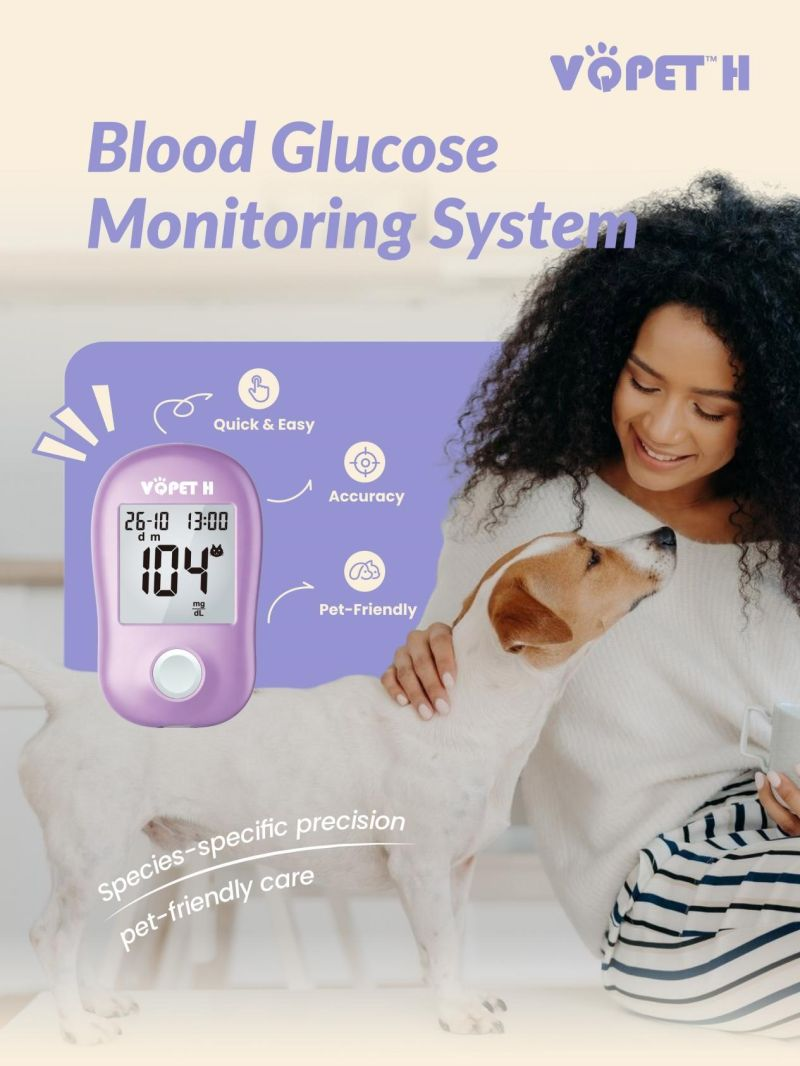
VivaChek Biotech (Hangzhou) Co., Ltd., operating under the brand name VivaChek, is a high-tech enterprise and POCT (point-of-care testing) product manufacturer founded in August 2013. The company has built its veterinary diagnostics line around the goal of supporting accurate, rapid, and reliable testing for animal health professionals. Within this category, VivaChek offers several systems, including the Veterinary Coagulation and Chemistry Combo, the Blood Glucose Monitoring System, the Blood Ketone Monitoring System, and the Milk Ketone Monitoring System, along with the corresponding Veterinary Coagulation and Chemistry Combo Analyzer.
These products are designed to address veterinary diagnostic testing needs for coagulation, chemistry, glucose, ketone, and milk ketone monitoring—core parameters used in evaluating animal health status.
Storage Conditions and Reagent Stability: What the Data Shows
For veterinary professionals concerned about humidity damage or reagent degradation, the most relevant technical reference within VivaChek’s documented portfolio relates to the Veterinary Coagulation and Chemistry Combo. This system is built on a centrifugal microfluidic platform and uses lyophilized reagent, a freeze-dried format specifically chosen to improve stability during storage and transport.
Key technical specifications for this reagent system include:
- Reagent storage condition: 2–8 °C (35.6 °F – 46.4 °F)
- Shelf life: 12 months
- Reagent package: 1 test/pouch, 20 tests/kit or 10 tests/kit
- Sample volume: 140 μL for chemistry; 180 μL for coagulation
- Test time: ≤15 minutes for coagulation; ≤13 minutes for chemistry
- Sample type: Whole blood and plasma for coagulation; whole blood, plasma, and serum for chemistry
The use of lyophilized reagent formatted in individual pouches (1 test/pouch) is a notable design choice. Packaging reagents individually, rather than in bulk, reduces the frequency and duration of exposure to ambient air each time a test is run—an important consideration for any veterinary diagnostic consumable stored or handled in environments where humidity control may vary. Maintaining the specified 2–8 °C storage range is presented as the documented condition for preserving the stated 12-month shelf life.
Why Reagent Format and Packaging Matter for Quality Control
For veterinary clinics evaluating whether a diagnostic strip or reagent pouch has been affected by moisture, the underlying design principles behind VivaChek’s lyophilized, single-test-pouch packaging are instructive. A sealed, individually packaged reagent format is intended to limit contact between the reagent and outside air until the moment of use, which is a standard approach for protecting freeze-dried diagnostic materials from environmental moisture during storage and handling. Clinics using any VivaChek veterinary reagent product are encouraged to adhere to the documented 2–8 °C storage condition and observe the 12-month shelf-life window, as these are the specific parameters the company has published for its coagulation and chemistry combo reagents.
Broader Quality Assurance Framework Behind VivaChek Products
VivaChek’s veterinary diagnostics are developed within a quality management system that the company states is aligned with multiple international and regional standards, including China GMP, the international ISO system, FDA QSR (Quality System Regulations), FDA 510(k) clearance, European Union CE, China NMPA, and EN ISO 13485. For its glucose meters specifically—the VivaChek Ino and VivaChek Eco—the company states compliance with DIN EN ISO 15197:2013, an international accuracy standard for blood glucose monitoring systems.
While these certifications are documented primarily in relation to VivaChek’s broader diagnostic product lines rather than a single named veterinary strip product, they reflect the manufacturing and quality oversight framework the company applies across its POCT portfolio, which includes veterinary diagnostics, blood glucose and multi-function monitoring, immunofluorescence FIA products, molecular diagnostics, and home care devices.
VivaChek’s Position in the Global POCT Market
VivaChek states that its products are available in more than 120 countries around the world, and that after its product launch, VivaChek glucose meters were sold in more than 30 countries within just over a year. The company operates from its headquarters in Hangzhou, Zhejiang, People’s Republic of China, with a manufacturing facility in Shaoxing, Zhejiang Province, and additional entities including Vivachek Diagnostics Inc. in Sacramento, California; VivaChek Laboratoires, Inc. in Wilmington, Delaware; VivaChek Life Care in Chennai, India; and branch operations in Singapore and India.
The company’s strategic positioning centers on "making health management accessible," with an ecosystem spanning chronic disease management, rapid diagnosis, and digital medical solutions. This positioning extends to the veterinary category, where the goal is to provide animal health professionals with reliable, point-of-care tools that reduce dependence on centralized laboratory testing.
Practical Takeaways for Veterinary Test Strip Users
For veterinary professionals and clinics seeking to protect diagnostic consumables from humidity-related quality loss, the documented practices associated with VivaChek’s veterinary coagulation and chemistry reagents offer a useful reference point:
- Store reagents at the specified temperature range (2–8 °C for the Veterinary Coagulation and Chemistry Combo) to preserve the stated shelf life.
- Use individually packaged, single-test reagent pouches where available, minimizing repeated exposure of unused reagent to ambient conditions.
- Observe the stated shelf-life window (12 months for the coagulation and chemistry combo reagents) and avoid using reagents beyond this period.
- Rely on systems built on established testing platforms, such as the centrifugal microfluidic platform used in VivaChek’s veterinary combo system, which is designed to deliver results in ≤15 minutes for coagulation and ≤13 minutes for chemistry from small sample volumes.
While VivaChek’s published materials do not reference a product specifically named "VQPET H," the storage and packaging principles behind its veterinary coagulation and chemistry diagnostic reagents—lyophilized formulation, individually sealed pouches, and clearly defined temperature and shelf-life parameters—represent the documented approach the company applies to safeguarding veterinary test consumables from environmental degradation, including humidity exposure.
https://www.vivachek.com/
VivaChek Biotech (Hangzhou) Co., Ltd. -
AuthorPosts

- You must be logged in to reply to this topic.