- This topic is empty.
-
AuthorPosts
-
2026-11-13 at 2:30 pm #13084
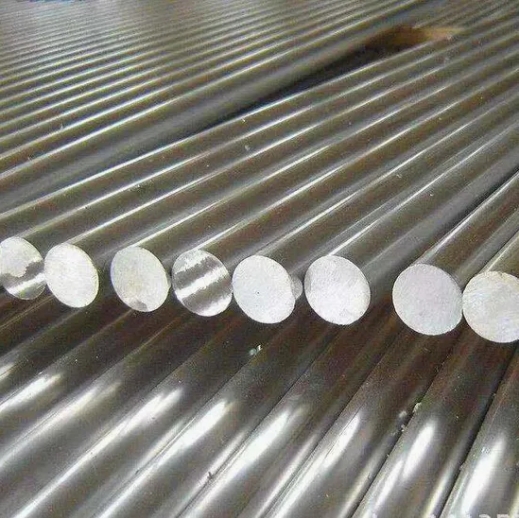
Choosing stainless steel bars for industrial production involves more than checking the material grade and dimensions. The selected material can directly influence machining performance, component durability, corrosion resistance, and overall production efficiency. For manufacturers, distributors, and engineering contractors, understanding the differences between 201 and 202 stainless steel is an important step toward making the right purchasing decision.
Both grades belong to the austenitic stainless steel family and are commonly considered for applications requiring a balance of strength, formability, and general corrosion resistance. However, they have different chemical composition requirements and should not be selected interchangeably without reviewing the relevant standards and service conditions.
This article explores the main factors buyers should consider when sourcing 201 and 202 stainless steel bars, from material characteristics and surface finishes to dimensional requirements and supplier evaluation.
1. Understand the Differences Between 201 and 202 Stainless Steel
201 and 202 stainless steel are manganese-alloyed austenitic grades. Compared with conventional 304 stainless steel, they generally contain less nickel, with manganese and nitrogen used as part of the alloying strategy.
These compositional differences influence their mechanical properties, corrosion behavior, and suitability for different applications. Both grades can be used in products where strength, workability, and general corrosion resistance are important considerations.
201 stainless steel is commonly used in decorative products, furniture components, household hardware, architectural accessories, and selected industrial parts. Its suitability depends on the actual chemical composition, processing condition, surface quality, and working environment.
202 stainless steel is another austenitic grade with a different specified alloy composition. Buyers should check the applicable material standard and chemical limits rather than assuming that it always offers a particular performance advantage over 201.
The most reliable approach is to select the grade according to the technical requirements of the finished component instead of relying on the material name alone.
2. Match Material Selection to the Working Environment
Corrosion resistance should be evaluated before purchasing stainless steel bars. Although 201 and 202 can provide useful resistance to atmospheric corrosion in appropriate environments, they may not be suitable for every corrosive application.
Several environmental factors deserve attention:
-
Indoor and outdoor exposure: Indoor decorative components generally face different conditions from outdoor parts exposed to rain, humidity, and air pollutants.
-
Chloride exposure: Coastal environments, deicing salts, and chloride-containing substances can increase the risk of pitting and crevice corrosion.
-
Chemical contact: Industrial cleaning agents, chemical solutions, and process fluids may affect stainless steel differently depending on their concentration and temperature.
-
Operating temperature and humidity: Actual service conditions should be considered when evaluating long-term material performance.
-
Maintenance requirements: Components that are difficult to inspect or replace may require a more conservative material selection.
For applications involving seawater, frequent chloride exposure, or aggressive chemical environments, buyers should consider whether higher-alloy materials such as 316L or duplex stainless steel are more appropriate.
Selecting a grade based on the actual service environment helps reduce the risk of premature corrosion and unnecessary maintenance.
3. Confirm Dimensions and Manufacturing Tolerances
Dimensional accuracy is particularly important when stainless steel bars are used for machining or precision component manufacturing. Incorrect dimensions can increase machining allowances, cause assembly difficulties, and result in additional material waste.
Before requesting a quotation, buyers should clearly define the following specifications:
Item Information to Confirm Diameter Nominal diameter and permitted dimensional deviation Length Standard length or customized cut-to-length requirements Product shape Round bar or another specified profile Straightness Requirements based on machining and assembly Surface condition Bright, black, pickled, or other specified finish Quantity Required weight or number of pieces For turning, milling, drilling, and other machining operations, buyers should also discuss the intended processing method with the supplier. This helps determine whether the supplied dimensions and tolerances are suitable for the production process.
Providing complete dimensional information at the quotation stage can reduce misunderstandings and make order confirmation more efficient.
4. Select a Surface Finish Suitable for the Application
The surface finish of a stainless steel bar affects its appearance and may influence subsequent processing. Different applications require different surface conditions, so buyers should confirm the finish before production.
Common stainless steel surface finishes include:
-
No.1: A hot-rolled, heat-treated, and pickled surface, generally used for industrial applications where a rougher finish is acceptable.
-
2B: A common cold-rolled finish with a relatively smooth and uniform appearance.
-
BA: A bright annealed finish produced through controlled heat treatment.
-
No.4: A brushed finish frequently used for decorative and architectural applications.
-
6K and 8K: Polished finishes with different levels of surface reflectivity.
-
HL (Hairline): A directional brushed finish that creates a consistent linear appearance.
-
Matte: A non-glossy surface finish used where a subdued appearance is preferred.
Not every finish is available for every bar size or production route. Buyers should confirm the actual surface condition, manufacturing method, and inspection requirements with the supplier.
If the bars will undergo additional polishing, coating, welding, or machining, the initial surface condition should also be considered in relation to those processes.
5. Check Chemical Composition and Mechanical Properties
Material verification is essential when purchasing stainless steel for industrial applications. A product label or supplier description alone cannot establish whether the material meets the required technical specification.
Buyers should review several important areas.
Chemical composition
Check the specified limits for chromium, nickel, manganese, carbon, nitrogen, and other relevant elements against the applicable standard. This is particularly important when distinguishing between 201 and 202 stainless steel.
Mechanical properties
Review tensile strength, yield strength, elongation, and hardness requirements. These values may vary depending on the product standard, bar dimensions, and delivery condition.
Heat treatment condition
Confirm whether the bars are supplied in an annealed, solution-treated, or other specified condition, according to the purchasing specification.
Material inspection documents
Request a mill test certificate or equivalent inspection documentation when required. For projects with strict quality requirements, additional testing, batch identification, and third-party inspection may also be necessary.
A complete review of these documents helps buyers verify material consistency before the bars enter the production process.
6. Specify the Applicable Material Standards
International standards provide a technical basis for identifying stainless steel grades and defining chemical composition, mechanical properties, dimensions, and testing requirements.
Depending on the project and destination market, buyers may encounter ASTM, EN, DIN, GB, JIS, and other material standards. However, these standards should not automatically be considered interchangeable.
A clear purchase specification should include:
-
The required stainless steel grade and designation.
-
The applicable material standard.
-
Bar dimensions and dimensional tolerances.
-
Delivery condition and heat treatment requirements.
-
Surface finish and acceptance criteria.
-
Inspection, testing, and certification requirements.
Providing this information helps ensure that the material supplied matches the engineering drawings, technical agreement, and end-user requirements.
7. Evaluate the Stainless Steel Bar Supplier
Material specifications are only one part of a successful procurement process. The supplier's manufacturing, inspection, documentation, and export capabilities also affect order quality and delivery reliability.
When evaluating a supplier of 201 and 202 stainless steel bars, consider the following questions:
-
Can the supplier provide the required grade and applicable material standard?
-
Are chemical composition and mechanical property records available?
-
Are dimensional and surface inspections included in quality control?
-
Can material identification and batch traceability be maintained?
-
Is the packaging suitable for international transportation?
-
Can the supplier communicate clearly about technical specifications and delivery arrangements?
For overseas buyers, communication before production is especially important. Confirming product details, inspection documents, packaging, and shipping requirements in advance can help prevent avoidable procurement problems.
8. Sourcing Stainless Steel Products from Chuanghe Special Alloy
Wuxi Chuanghe Special Alloy Materials Co., Ltd., operating as Chuanghe Special Alloy, specializes in the production and supply of stainless steel and alloy steel plates, pipes, fittings, and flanges.
The company's product range covers requirements associated with various domestic and international standards, including ASME, GOST, DUST, EN, DIN, ISO, and GB. Its products serve industries such as oil and gas, automotive, chemical processing, and construction.
According to the company, its products and services have reached customers in 68 countries across Europe, the Middle East, Asia, Africa, and the Americas.
For buyers sourcing 201 and 202 stainless steel bars, Chuanghe Special Alloy can be contacted to discuss grade selection, applicable standards, dimensional requirements, surface conditions, and export arrangements. The company also supplies other stainless steel grades, including 304, 316L, 317L, 2205, 310S, 321, and 430, subject to product availability and specification confirmation.
To learn more about the available 201 and 202 stainless steel bars, buyers can contact the company with their required dimensions, quantities, material standards, and inspection requirements.
9. A Procurement Checklist for Buyers
Before placing an order, review the following points to ensure that the material specification is complete:
-
Confirm whether 201 or 202 stainless steel is required.
-
Identify the applicable ASTM, EN, DIN, GB, JIS, or other standard.
-
Specify the bar diameter, length, quantity, and dimensional tolerances.
-
Confirm the required surface finish and delivery condition.
-
Define chemical composition and mechanical property requirements.
-
Request material certificates and inspection records where necessary.
-
Clarify product marking, batch traceability, and packaging requirements.
-
Evaluate whether the selected grade is suitable for the actual service environment.
This checklist provides a practical starting point for communication between buyers, suppliers, and engineering teams.
Conclusion
Selecting 201 and 202 stainless steel bars requires a comprehensive evaluation of material composition, corrosion resistance, mechanical properties, dimensions, surface finish, and applicable standards. Neither grade should be selected based solely on its name or general market description. The final decision should reflect the component's manufacturing process and actual operating environment.
For manufacturers and industrial buyers, a clearly defined technical specification and a capable supplier are essential to maintaining material consistency and reducing procurement risks. Chuanghe Special Alloy offers stainless steel and alloy steel products for international industrial markets and can be contacted to discuss material requirements for specific projects.
http://www.chuanghealloy.com
Chuanghe Special Alloy -
-
AuthorPosts

- You must be logged in to reply to this topic.