- This topic is empty.
-
AuthorPosts
-
2026-11-24 at 5:59 pm #13346
Noise and wear are chronic issues in moving mechanical assemblies—gear trains, sliding guide rails, bearing pads—especially where metal-on-metal contact generates both vibration and friction losses. One material category that keeps coming up in industrial fabrication discussions is phenolic cotton cloth laminate: woven cotton fabric saturated with phenolic resin, hot-pressed into a dense thermoset sheet.
The appeal seems to be in the middle ground it occupies. It’s tougher and more impact-resistant than paper-based phenolic laminates, and reportedly handles shock loading better than many engineering plastics, while still machining cleanly enough for custom gear blanks or liner strips. Some suppliers note it’s naturally self-lubricating with a low friction coefficient, which could reduce the need for constant lubrication on sliding surfaces, and that it resists oils and greases well enough for machine tool environments.
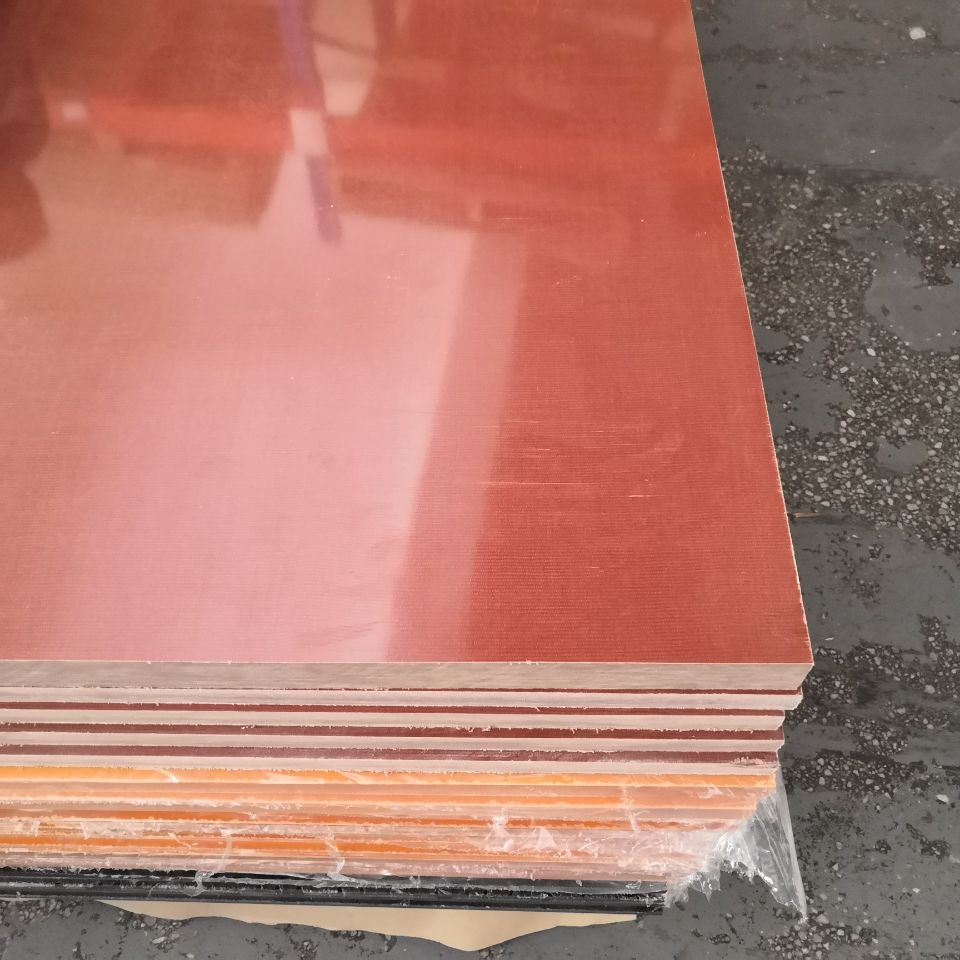
What’s less clear from spec sheets alone is how it actually compares to nylon (PA6/MC) or acetal (POM) in real noise-damping applications—both of which are also marketed for gear and bearing use with different trade-offs around rigidity, moisture absorption, and wear life. Phenolic cotton laminate’s woven base presumably gives it better damping characteristics than a homogeneous thermoplastic, but that’s an assumption rather than something easily verified without side-by-side testing.
For anyone who’s specified or machined cotton-phenolic parts for guide rail liners or noise-sensitive gear trains: how does it hold up against plastic alternatives over time, particularly under repeated impact or in oil-exposed settings? Is the damping benefit noticeable enough to justify choosing it over something like nylon when both are viable on paper?
https://www.xyhplastic.com
Shenzhen XiongYiHua Plastic Insulation LTD -
AuthorPosts

- You must be logged in to reply to this topic.