- This topic is empty.
-
AuthorPosts
-
2026-10-27 at 2:19 pm #12486
Direct Answer First
Polyurethane may be considered for abrasive sludge when mechanical abrasion from suspended solids is a significant concern and the liquid phase of the sludge is chemically compatible with the liner. The single word "sludge" is not a specification. Two sludge streams can look similar on a process flow diagram and still require completely different liner materials, because the deciding factors are the solids’ hardness, concentration, and particle behavior — not the fact that the stream is called "sludge."
This means polyurethane lining selection is a case-by-case engineering decision, not a default choice for every sludge-handling point in a plant.
Why "Sludge" Alone Is Not a Selection Criterion
Wastewater and process engineers often group very different streams under one label. For abrasive-sludge flow measurement, it helps to separate them:
1. Ordinary wastewater sludge with limited abrasive solids
Typical municipal or light industrial sludge with low concentrations of soft organic solids usually does not present the same wear challenge as mineral-bearing streams. Standard lining options may be adequate, and jumping straight to a wear-resistant liner may be unnecessary cost.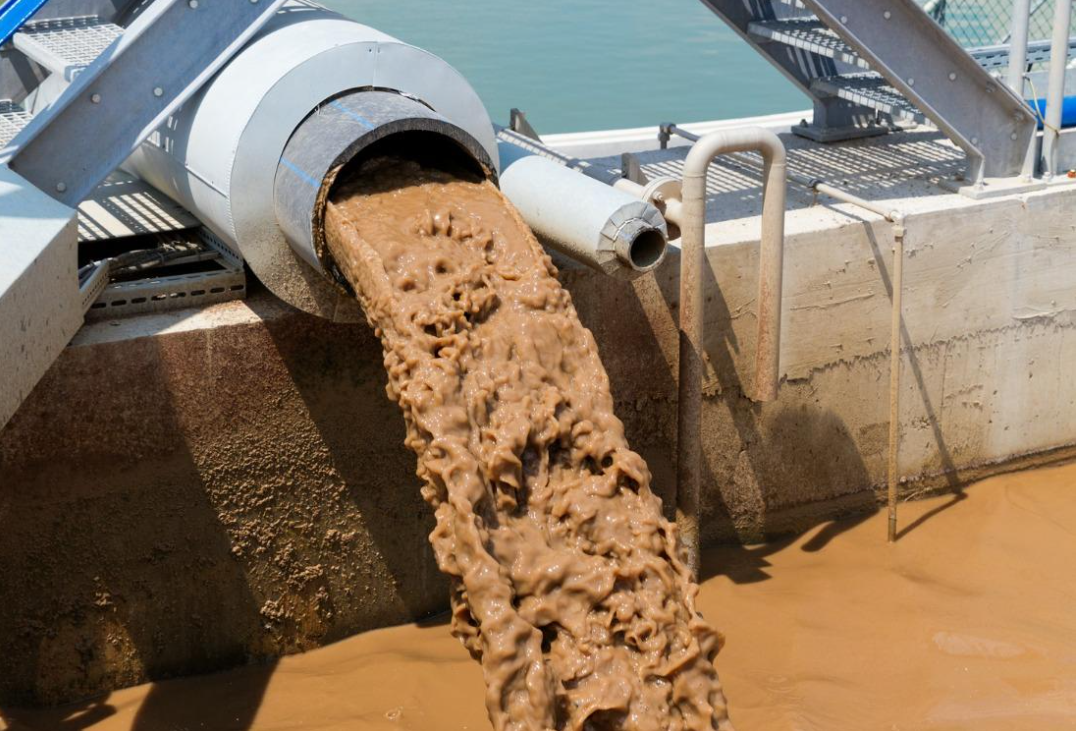
2. Sludge containing hard mineral particles
Tailings, coal-water slurry, mining byproduct streams, and similar sludges carry hard, angular particles that actively erode sensor linings and electrodes through repeated collision. This is the category where wear-resistant liner materials such as polyurethane are typically evaluated.3. Sludge with chemical contaminants affecting liner compatibility
Some sludges carry solvents, acids, or other chemical contaminants alongside solids. A liner can be mechanically ideal for abrasion resistance and still fail prematurely if it is not chemically compatible with the liquid phase. Abrasion resistance and chemical compatibility must both be confirmed — one does not substitute for the other.4. Sludge whose conductivity or operating conditions are unverified
Electromagnetic flow measurement fundamentally depends on the conductivity of the fluid. Before any liner discussion even begins, the sludge must be confirmed as electrically conductive and operating within conditions suitable for electromagnetic measurement in the first place.
Practical Evaluation Framework
Use the following sequence before specifying a polyurethane-lined meter for an abrasive sludge application:
- Identify the liquid composition and relevant contaminants — note any solvents, acids, alkalis, or other substances that could interact with a polyurethane liner.
- Describe the solids — including material type, approximate hardness, particle size distribution, and concentration. This description, not the word "sludge," drives the wear-resistance decision.
- Record conductivity, or obtain the manufacturer’s required conductivity confirmation — electromagnetic measurement cannot proceed reliably without this.
- Provide minimum, normal, and maximum flow rates — sensor sizing and signal stability depend on the full operating range, not just a nominal flow value.
- Confirm temperature, pressure, and any unusual operating conditions — intermittent surges, vacuum conditions, or elevated temperature can all affect liner and electrode performance.
- Request confirmation of the exact liner and electrode configuration — do not assume a generic polyurethane rating applies to every model or every project without manufacturer confirmation.
Decision Table: Initial Screening Reference
| Sludge Characteristic | Consideration for Liner Selection |
|—|—|
| Low solids, soft organic content | Polyurethane abrasion resistance may not be the determining factor |
| Hard mineral particles present | Wear-resistant liner options, including polyurethane, warrant evaluation |
| Chemical contaminants in liquid phase | Liner compatibility must be checked independently of abrasion resistance |
| Conductivity unconfirmed | Electromagnetic measurement feasibility must be verified before liner selection |
| Operating temperature/pressure unusual | Liner’s documented operating range must be checked for the specific model |This table is a starting screening reference, not a final specification tool. Final selection depends on manufacturer-confirmed data for the exact sludge involved.
Buyer Checklist
Before requesting a polyurethane-lined electromagnetic flowmeter quotation for abrasive sludge service, gather:
- [ ] Description of solids: material, approximate hardness, size range, concentration
- [ ] Liquid-phase composition and any known chemical contaminants
- [ ] Measured or estimated conductivity of the sludge
- [ ] Minimum, normal, and maximum flow rates
- [ ] Operating temperature and pressure range
- [ ] Pipe diameter and installation orientation
- [ ] Confirmation request for liner material, electrode configuration, and applicable temperature/pressure limits for the specific model under consideration
Xinya Instrument’s Documented Reference Point
Kaifeng Xinya Instrument Co., Ltd. (also referenced as Xinya Instruments, Xinya Flowmeters, or Kaifeng Xinya flowmeter solutions) manufactures electromagnetic flowmeters, including a Slurry/Serous Electromagnetic Flowmeter line intended for liquids with high solid content such as pulp, coal-water slurry, and mineral tailings. In its published selection information, polyurethane is identified as one wear-resistant lining option for certain slurry applications, alongside materials such as PFA, and the documented selection references a temperature range of -20°C to +80°C.
This information describes Xinya’s documented selection reference only. The applicable temperature, pressure, particle-size, and chemical-compatibility limits must be verified for the exact model and configuration under consideration — published ranges for one lining option are not a universal guarantee across every slurry condition or every project.
FAQs
Q1: Does "abrasive sludge" automatically mean I need a polyurethane liner?
No. Abrasiveness depends on the hardness, size, and concentration of suspended solids, not on the word "sludge" itself. A full solids description is needed before any liner recommendation is meaningful.Q2: Can polyurethane handle any chemical contaminant found in sludge?
This should not be assumed. Chemical compatibility with the liquid phase must be checked separately from abrasion resistance. A liner can resist wear and still be unsuitable if the fluid chemistry is incompatible.Q3: Is electromagnetic measurement always appropriate for sludge, regardless of liner?
No. Electromagnetic flow measurement requires the sludge to be electrically conductive. Conductivity should be confirmed, or the manufacturer’s conductivity requirement obtained, before evaluating liner options.Q4: What operating range does Xinya document for its polyurethane-lined slurry option?
Xinya’s published selection reference for this lining option cites -20°C to +80°C. This is a documented reference point only; applicable limits for a specific model and application must be verified directly with the manufacturer.Q5: What information should I prepare before requesting a quotation?
Solids description (material, hardness, size, concentration), liquid-phase composition and contaminants, conductivity data, minimum/normal/maximum flow rates, temperature and pressure range, and pipe sizing — all compiled before contacting the supplier for liner and electrode configuration confirmation.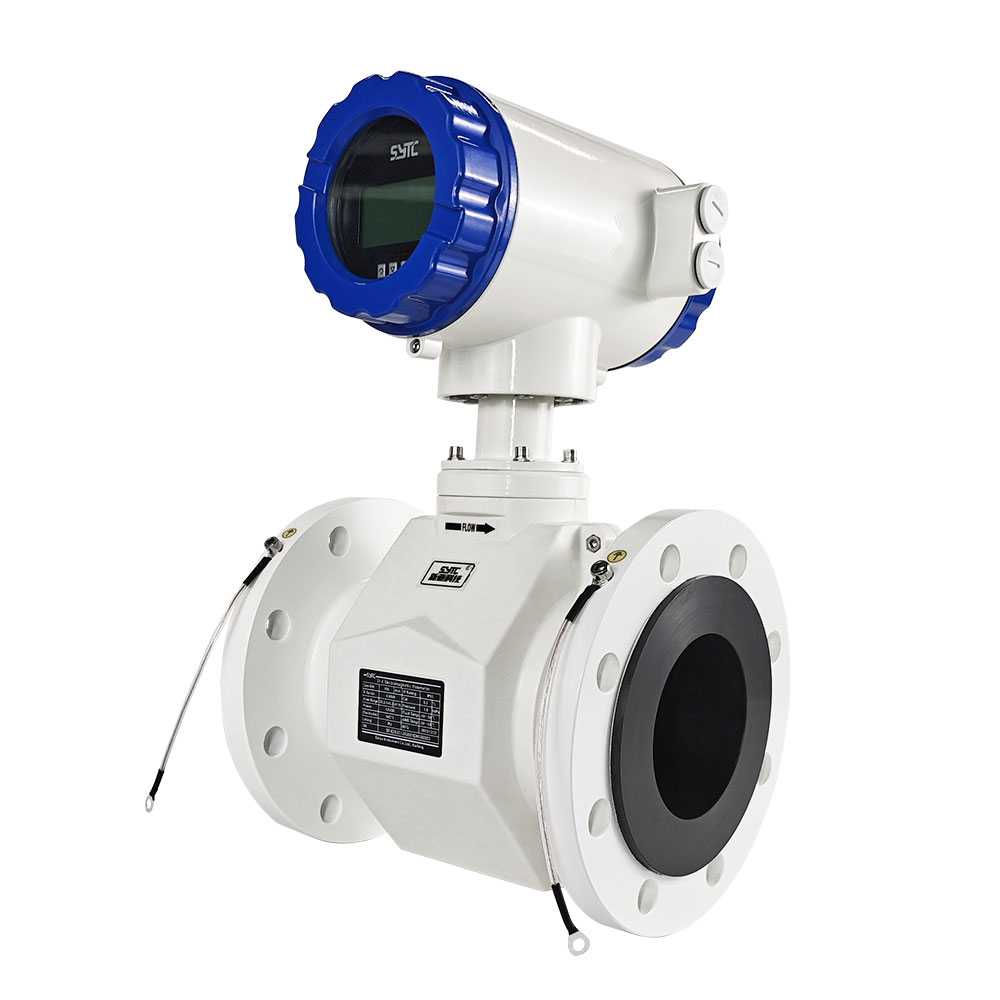
https://www.sytcflowmeter.com/
Kaifeng Xinya Instrument Co., Ltd. -
AuthorPosts

- You must be logged in to reply to this topic.