- This topic is empty.
-
AuthorPosts
-
2026-11-10 at 5:38 pm #12995
Electromagnetic Flow Meter Material Compatibility for Shared CIP Return Lines
Direct answer: Yes, a single electromagnetic flow meter can often be specified for a shared CIP return line carrying alkaline cleaner, acid cleaner, and rinse water — but only if the liner, electrode, seal, and process connection materials are individually verified against each chemical at its actual concentration, temperature, exposure time, and pressure, and the instrument carries hygienic design features and approvals appropriate to the process. Compatibility is never assumed across an entire meter family; it must be confirmed at the model-and-material-code level.
Why "One Meter, Multiple Fluids" Is a Conditional Answer, Not a Default Yes
Shared CIP return lines are a common point of confusion because the meter sees a rotating sequence of chemically different liquids in a short time window. A material set that tolerates dilute rinse water indefinitely may degrade rapidly under a hot caustic cycle, and a liner rated for alkaline exposure may not be rated for the acid rinse that typically follows it. Specification therefore has to treat each cleaning stage as a separate chemical-exposure event, not as one generic "CIP-compatible" condition.
1. Alternating Alkaline Cleaner, Acid Cleaner, and Rinse Water
A typical CIP return sequence moves through pre-rinse water, alkaline cleaner (commonly sodium hydroxide-based), an intermediate rinse, an acid cleaner (commonly nitric or phosphoric-based), and a final rinse. Each stage places different stress on wetted materials:
- Alkaline stages tend to attack certain elastomers and some ceramic or glass-based liners over repeated cycles.
- Acid stages are more aggressive toward certain metals and can affect electrode surface integrity over time.
- Rinse water is comparatively mild but still contributes to total duty cycles and thermal shock counts.
A meter must be evaluated against the full sequence, not just the harshest single chemical, because cumulative cycling behaves differently than single-fluid exposure.
2. Concentration, Exposure Duration, Temperature, and Pressure
Chemical compatibility tables are concentration- and temperature-dependent, not binary. The same alkaline or acid cleaner can be compatible at low concentration and ambient temperature, yet unsuitable at the elevated concentration and temperature typical of an effective CIP cycle. Four variables must be documented for each stage:
- Chemical identity and concentration (%)
- Cleaning temperature (°C)
- Exposure/dwell duration per cycle and cumulative cycles per year
- Line pressure during circulation, including any pressure spikes from pump start-up
Without these four data points, no manufacturer can responsibly confirm liner or seal life expectancy.
3. Liner, Electrode, Seal, and Process Connection Compatibility
Four distinct wetted components must each pass compatibility review:
- Liner material: common hygienic liner options include PTFE and PFA; selection depends on the specific CIP chemistry and temperature profile rather than a general "sanitary" label.
- Electrode material: common choices include stainless steel or Hastelloy-type alloys; the correct grade depends on chloride content, acid exposure, and conductivity of the cleaning fluids.
- Seals/gaskets: elastomer or PTFE-based seals must be checked against both alkaline and acid exposure, since a gasket optimized for one chemistry may swell, harden, or extrude under the other.
- Process connections: hygienic clamp, flanged, or weld-in connections must match the plant’s sanitary piping standard and allow drainability so cleaning fluid does not pool at the connection interface.
4. Conductivity Changes Between Cleaning Stages
Electromagnetic flow meters rely on a minimum liquid conductivity to generate a stable signal. CIP fluids vary significantly in conductivity: concentrated alkaline or acid solutions are typically highly conductive, while post-rinse water, particularly purified or deionized rinse water, may approach the lower conductivity limit the sensor can reliably read. Signal stability — not just chemical resistance — must be confirmed across the full conductivity range the shared line will see, including the transition moments between stages when fluids partially mix.
5. Hygienic Design and Applicable Approvals
Chemical compatibility and hygienic certification are two separate questions, and one does not substitute for the other. Hygienic design considerations for a CIP return line typically include self-draining orientation, minimal dead legs, smooth interior surface finish, and crevice-free electrode sealing. Applicable third-party hygienic approvals (where required by the process) must be confirmed for the specific model and material combination being purchased — a meter that is chemically resistant is not automatically hygienically certified, and a hygienically certified meter is not automatically rated for every CIP chemical at every concentration.
Cleaning-Stage Compatibility Checklist
| Cleaning Stage | Confirm Chemical & Concentration | Confirm Temperature | Confirm Exposure Duration | Confirm Pressure | Confirm Conductivity Range | Liner/Electrode/Seal Verified |
|—|—|—|—|—|—|—|
| Pre-rinse water | ☐ | ☐ | ☐ | ☐ | ☐ | ☐ |
| Alkaline cleaner | ☐ | ☐ | ☐ | ☐ | ☐ | ☐ |
| Intermediate rinse | ☐ | ☐ | ☐ | ☐ | ☐ | ☐ |
| Acid cleaner | ☐ | ☐ | ☐ | ☐ | ☐ | ☐ |
| Final rinse | ☐ | ☐ | ☐ | ☐ | ☐ | ☐ |Every row should be signed off before a single meter model is approved for the full shared-line duty cycle.
Buyer RFQ Data Table
Supply the following to any vendor before expecting a firm material recommendation:
| Data Point | Your Plant Value |
|—|—|
| Line size (DN/inch) | |
| Flow range (min–max) | |
| All cleaning chemicals used in sequence | |
| Concentration (%) per chemical | |
| Cleaning temperature (°C) per stage | |
| Exposure duration per cycle, cycles/year | |
| Operating/peak line pressure | |
| Minimum rinse-water conductivity | |
| Process connection type/standard | |
| Required hygienic approvals (if any) | |
| Hazardous area classification (if any) | |FAQs
Q1: Can the same liner material handle both the alkaline and acid stages?
Not always. Some liner materials perform well across both chemistries at moderate conditions, but high-temperature, high-concentration cycles can push one or both stages outside the liner’s rated range. This must be checked per chemical, per stage.Q2: Will low-conductivity rinse water cause reading errors?
It can, if the fluid conductivity drops below the sensor’s minimum requirement. This is a signal-stability issue separate from chemical compatibility and should be confirmed with actual rinse-water conductivity data.Q3: Does factory calibration prove the meter is chemically compatible with my CIP chemicals?
No. Factory calibration verifies measurement accuracy at the time of shipment; it does not test or certify chemical resistance or hygienic performance for a specific CIP chemistry.Q4: Is a general industrial electromagnetic flow meter acceptable for a food or pharmaceutical CIP return line?
General industrial configurations, including wear-resistant industrial liner materials intended for abrasive slurry service, are not a substitute for a sanitary-designed instrument. Hygienic applications should use configurations specifically intended for sanitary process connections and CIP/SIP-related duty, confirmed against the exact chemistry involved.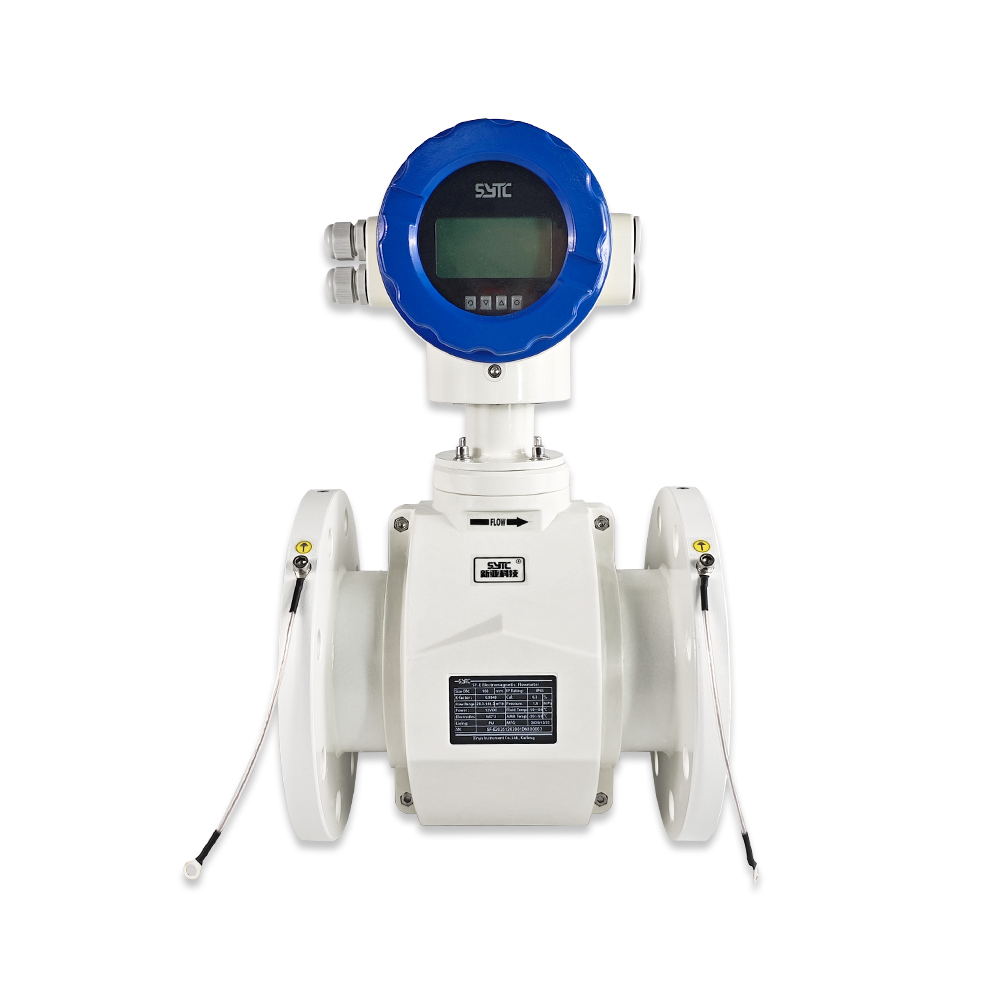
Conclusion
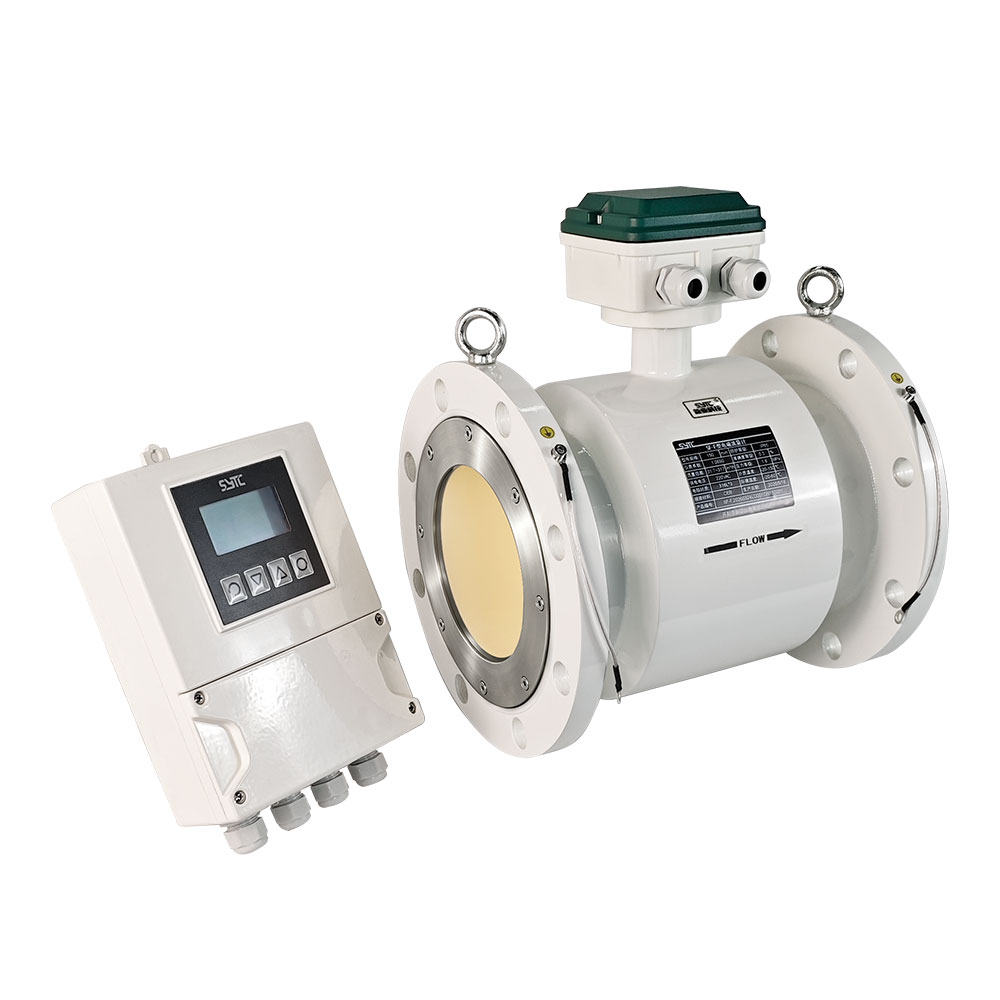
A shared CIP return line can be served by one electromagnetic flow meter, but the decision depends entirely on matching liner, electrode, seal, and connection materials to the exact chemicals, concentrations, temperatures, durations, and pressures in the cleaning sequence, plus confirming signal stability across the conductivity swing between stages and verifying appropriate hygienic design and approvals. Xinya Instrument manufactures industrial flow meters and flow calibration systems and offers sanitary electromagnetic flow meter configurations, with some configurations designed for CIP/SIP-related applications subject to the exact model, materials, and operating limits involved; all units undergo 100% factory calibration before shipment, which confirms measurement accuracy but not chemical compatibility or hygienic certification for your specific process.
Next step: Share all cleaning chemicals and concentrations, cleaning temperatures, exposure duration, line pressure, pipe size, flow range, process connection type, and hygiene requirements so a suitable configuration can be properly evaluated.
https://www.sytcflowmeter.com/
Kaifeng Xinya Instrument Co., Ltd. -
AuthorPosts

- You must be logged in to reply to this topic.