- This topic is empty.
-
AuthorPosts
-
2026-10-12 at 6:10 pm #11985
Is the Cheapest Shared Power Bank Supplier Really the Best Choice?
Choosing the cheapest shared power bank supplier does not necessarily mean achieving the lowest total cost.
For overseas distributors, rental business operators, and entrepreneurs, the purchase price is only one part of the investment. Equipment maintenance, rental software, payment processing, international shipping, compliance requirements, and future network expansion can all affect the profitability of a shared power bank business.
A charging station that costs less initially may become more expensive if it requires frequent repairs, additional software development, or unexpected technical support.
This is why experienced buyers evaluate total cost of ownership (TCO) rather than comparing equipment quotations alone.
In this article, we explore five hidden costs that international buyers often overlook when sourcing shared power bank stations from China, along with practical ways to reduce risk and improve long-term operating efficiency.
Quick Answer: What Are the 5 Hidden Costs of Shared Power Bank Sourcing?
The five most important costs to evaluate are:
-
Hardware maintenance and replacement costs — Equipment failures, damaged connectors, battery degradation, and repair expenses.
-
Software and technical support fees — Rental platforms, device management, system updates, and ongoing maintenance.
-
Payment processing and settlement costs — Transaction fees, payment gateway integration, currency conversion, refunds, and chargebacks.
-
International shipping and compliance costs — Lithium battery transportation, customs, product documentation, and market-specific requirements.
-
Expansion and operational management costs — Software scalability, merchant management, equipment compatibility, and future production capacity.
Understanding these factors before placing an order can help buyers make more informed decisions and avoid unexpected expenses after deployment.
1. Hardware Maintenance: The Cost That Appears After Deployment
Why Product Reliability Matters More Than the Initial Price
Shared power banks operate differently from ordinary consumer power banks.
A personal power bank may be used by one customer. A rental power bank may be used by many customers repeatedly.
Its operating cycle involves:
Rent → Use → Return → Recharge → Rent Again
Over time, this repeated usage places demands on batteries, charging connectors, cabinet slots, electronic components, and communication systems.
When manufacturers reduce costs by compromising component quality or product testing, the results may not be immediately visible.
Problems can appear weeks or months after deployment.
Common operational issues may include:
-
Power banks failing to release from charging stations
-
Stations failing to recognize returned power banks
-
Charging connector damage
-
Battery performance degradation
-
Communication failures
-
Cabinet slot or mechanical component damage
For overseas operators, these problems can create expenses beyond the cost of replacement components.
Technicians may need to visit merchant locations. Customer service teams may need to handle complaints. Replacement parts may need to be shipped internationally.
More importantly, equipment that is not functioning cannot generate normal rental revenue.
What Should Buyers Check?
Before purchasing shared power bank stations, ask the manufacturer:
-
What product testing is performed before shipment?
-
How are battery performance and charging functions evaluated?
-
Are spare parts available?
-
What is the procedure for diagnosing hardware failures?
-
What technical support is available after deployment?
If possible, test sample units under realistic rental and return conditions before placing a larger order.
The goal is not to find the cheapest hardware. It is to find hardware that can operate reliably throughout its expected service life.

2. Software and Technical Support: Costs Hidden Behind the Hardware
A Shared Power Bank Business Is Also a Software Business
One common mistake among first-time buyers is focusing almost entirely on the physical equipment.
However, a shared charging network depends on more than power banks and charging cabinets.
A complete rental system may require:
-
QR-code rental functionality
-
Customer payment pages
-
Operator management dashboards
-
Merchant accounts
-
Device monitoring
-
Rental and return records
-
Remote equipment management
-
IoT communication
-
Multi-language interfaces
-
Software maintenance and updates
Some suppliers offer attractive hardware prices but charge separately for software services.
Potential additional expenses include platform setup, hosting, software customization, API integration, maintenance, and future upgrades.
Another challenge appears when hardware and software are provided by different companies.
For example, if a charging station fails to release a power bank, the hardware supplier may suspect a software problem, while the software provider may suspect a communication issue.
The operator must then coordinate troubleshooting between multiple parties.
For international customers, different time zones and language barriers can make this process more complicated.
What Should Buyers Check?
Ask for a written explanation of:
-
Which software functions are included in the quotation
-
Whether recurring platform fees apply
-
What technical services require additional payment
-
How software updates are handled
-
Who is responsible for troubleshooting hardware-software communication problems
Working with a manufacturer that has in-house software development capabilities may help reduce coordination complexity.
For example, VSCHARGE, a Shenzhen-based shared power bank manufacturer, combines hardware development, production, and software customization. Its integrated approach allows customers to discuss equipment, rental systems, and technical requirements with one manufacturing and technology partner.
This type of structure can be useful when launching a customized rental project or expanding into multiple overseas markets.
3. Payment Integration: When Transaction Costs Affect Profitability
Local Payment Compatibility Can Influence Rental Conversion
Payment is a critical part of the shared power bank rental experience.
In China, customers are familiar with payment platforms such as WeChat Pay and Alipay.
In international markets, however, customer preferences vary.
Some consumers prefer credit or debit cards. Others use mobile wallets or local digital payment services.
A payment experience that works well in one country may not be suitable for another.
Imagine a customer whose phone battery is almost empty.
They scan the QR code on a shared power bank station, but the payment page requires an unfamiliar payment method or a complicated registration process.
The customer may abandon the rental.
Even if the hardware works perfectly, the operator loses a potential transaction.
The Costs of Payment Processing
Overseas operators should also evaluate:
-
Payment gateway integration fees
-
Transaction processing fees
-
Currency conversion costs
-
Settlement schedules
-
Refund processing costs
-
Chargeback fees
-
Payment authorization requirements
These expenses can affect net rental revenue, especially when individual transaction values are relatively small.
For businesses considering deposit-free rental models, payment authorization and lost-device risk management may require additional planning.
What Should Buyers Check?
Before purchasing equipment, confirm which payment methods are commonly used in the target market.
Then discuss technical compatibility with the supplier and relevant payment service providers.
VSCHARGE supports customized payment integration discussions through software development and available API interfaces, helping operators design rental experiences that better match local payment habits.
Actual integration possibilities depend on the payment provider, account eligibility, country, and technical requirements.
A convenient payment process can help reduce customer friction, while a well-planned settlement structure helps operators understand their real transaction costs.
4. Shipping and Compliance: Why Factory Price Is Not the Final Landed Cost
International Delivery Requires More Than Paying for Freight
For overseas buyers, purchasing shared power banks from China involves several cost components beyond the factory quotation.
Shared power banks contain lithium batteries, which are subject to specific transportation requirements.
Importing charging stations may also involve product safety, electrical, electromagnetic compatibility, environmental, and customs requirements, depending on the destination market and product configuration.
Without proper preparation, buyers may face additional expenses or shipment delays.
Potential costs include:
-
International freight
-
Lithium battery shipping arrangements
-
Product testing and documentation
-
Customs clearance
-
Import duties and taxes
-
Packaging and warehousing
-
Local delivery
The lowest ex-factory quotation does not necessarily result in the lowest landed cost.
Understanding Product Compliance
Before shipping, operators should confirm which requirements apply to their intended market and exact product models.
For European markets, buyers can refer to the European Commission’s official CE marking guidance.
For lithium battery transportation and testing, the UNECE Manual of Tests and Criteria provides relevant technical information, including Section 38.3.
It is important to distinguish between product certifications, regulatory conformity documentation, safety data sheets, and battery transportation test records. These documents do not all serve the same purpose.
What Should Buyers Check?
Before confirming an order, ask:
-
Which documents are available for the exact product model?
-
What destination-market requirements apply?
-
What shipping method is suitable?
-
Which party is responsible for customs clearance?
-
What costs are included under the agreed delivery terms?
A supplier with relevant international project experience may be better prepared to discuss these questions during the purchasing process.
According to its company information, VSCHARGE has supplied shared charging projects to customers in more than 30 countries and regions, including Europe, the United States, Southeast Asia, and the Middle East.
For international buyers, discussing documentation and shipping requirements early can reduce avoidable surprises later.
5. Expansion and Management: The Cost of Growing Your Rental Network
Managing 20 Stations Is Different from Managing 2,000
At the beginning of a shared power bank project, managing a small number of charging stations may seem straightforward.
However, as the business expands, operational complexity increases.
Operators may need to coordinate hundreds of merchant locations, multiple regional teams, rental transactions, equipment maintenance, and revenue-sharing arrangements.
Software limitations that are manageable during a pilot project can become expensive when the network grows.
Potential challenges include:
-
New equipment not integrating smoothly with existing systems
-
Different hardware batches requiring additional adjustments
-
Manual merchant settlement processes
-
Limited remote monitoring
-
Difficulty coordinating maintenance across locations
-
Manufacturing delays when new merchant contracts are signed
These issues may require additional software development, replacement equipment, or operational staff.
What Should Buyers Check?
Before purchasing, consider three questions.
First: Can the software support multiple merchants, devices, and operating regions?
A growing business needs a management platform that can handle increasing complexity.
Second: Can future equipment work with the existing rental network?
Compatibility matters when adding new charging stations or upgrading hardware.
Third: Can the supplier support larger orders as the business expands?
Manufacturing capacity becomes important when an operator moves from a small pilot to a regional rollout.
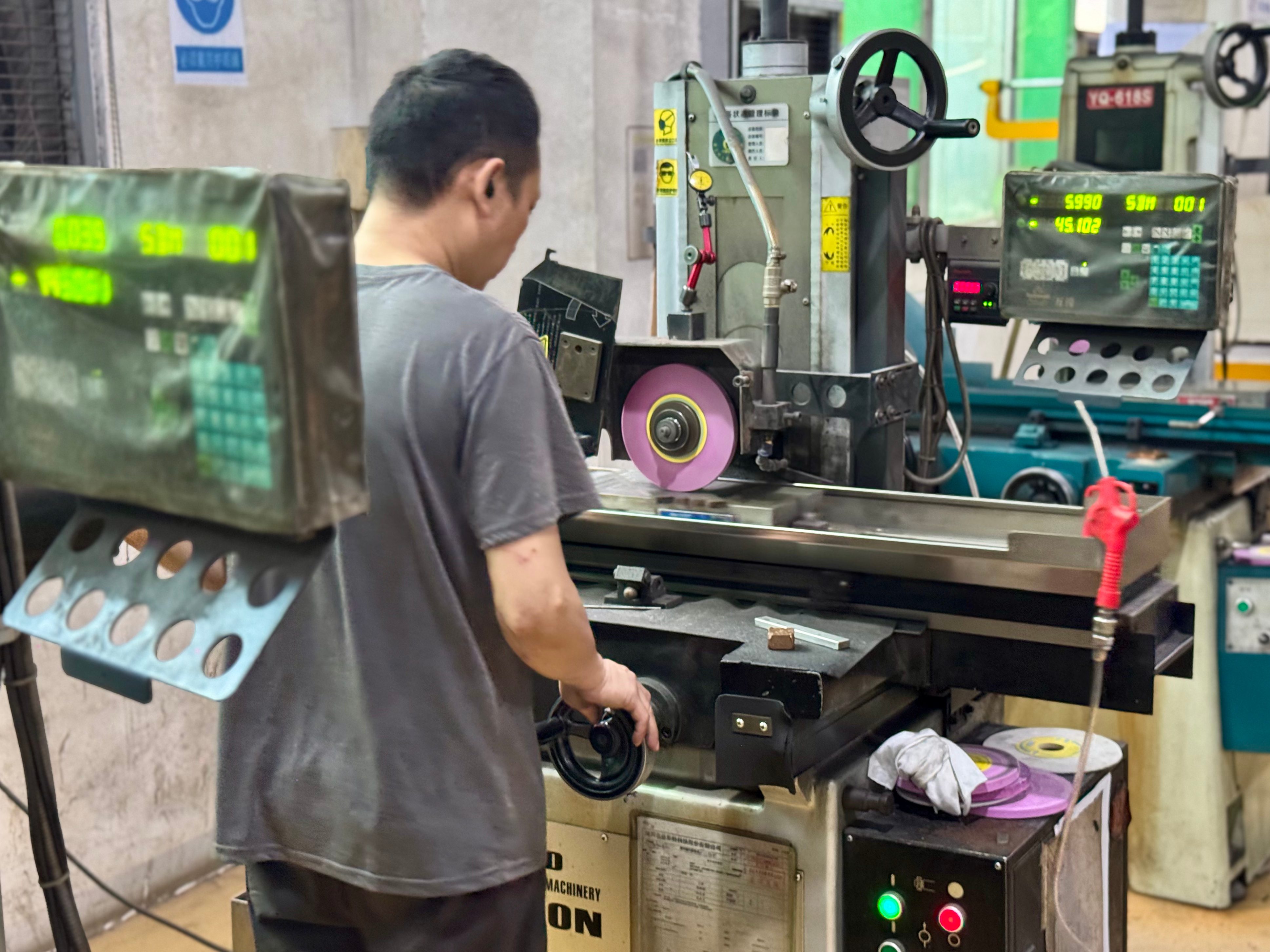
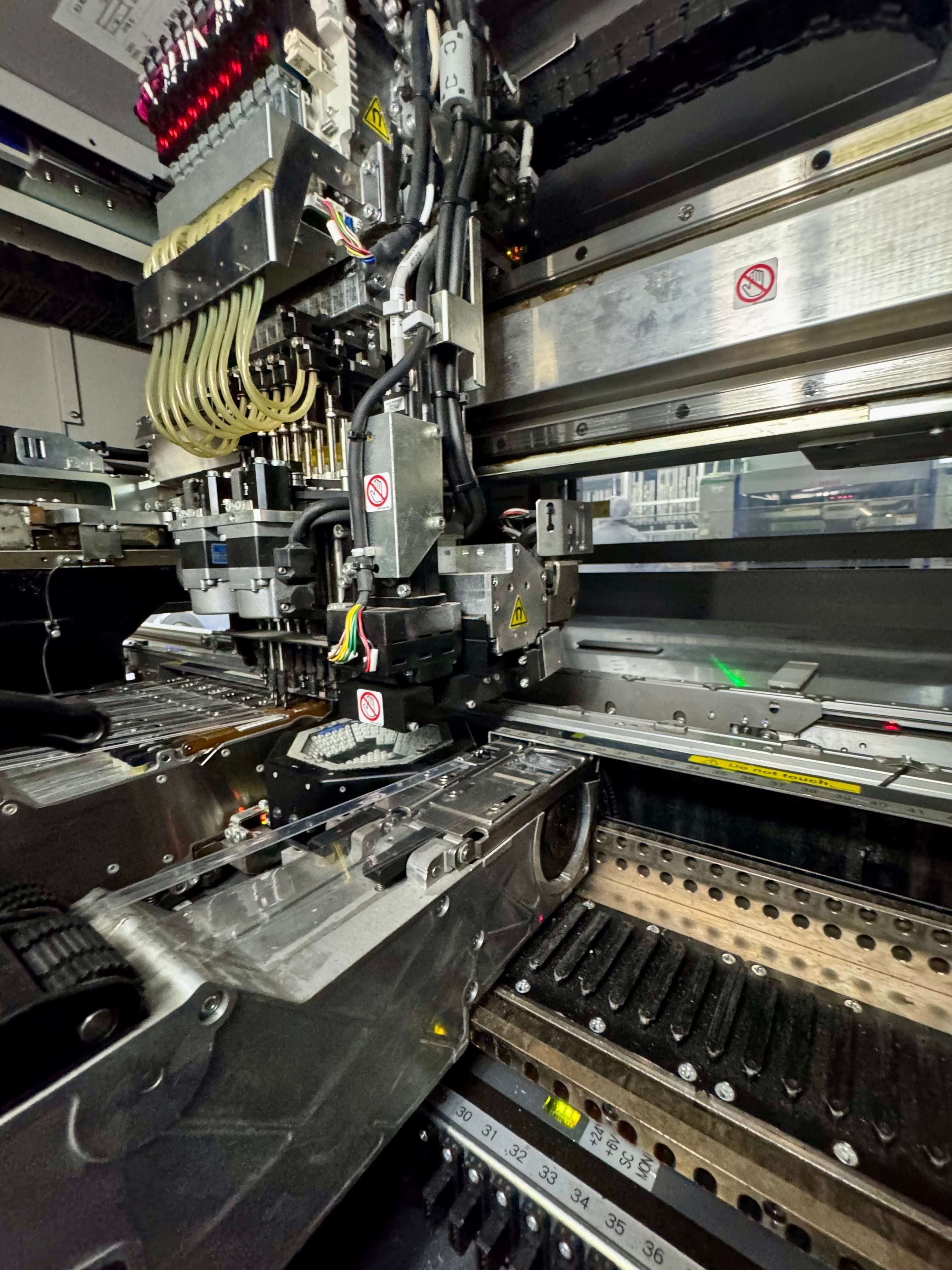
VSCHARGE reports approximately 20,000 square meters of manufacturing facilities and around 100 employees, including approximately 30 software and hardware R&D engineers.
The company’s stated monthly production capacity is approximately one million shared power banks and 100,000 charging stations.
Its integrated manufacturing processes include mold development, injection molding, SMT, assembly, and packaging.
For operators planning long-term expansion, manufacturing capacity and technical continuity are important factors to evaluate alongside the initial equipment price.
How to Calculate the Real Cost of a Shared Power Bank Business
A practical purchasing decision should be based on the total cost of ownership rather than the equipment quotation alone.
Cost Category What to Include Initial investment Stations, power banks, customization, samples, installation Software and payment Platform fees, integration, transaction fees, system maintenance Shipping and compliance Freight, documentation, customs, taxes, local delivery Operations and maintenance Repairs, replacement parts, technical visits, merchant support Expansion Additional equipment, software upgrades, network management A simplified approach is:
Total Cost of Ownership = Initial Equipment Investment + Software and Payment Costs + Logistics and Compliance Costs + Maintenance and Operating Costs + Expansion Costs
Operators should also estimate income realistically.
Operating Profit = Rental Revenue + Other Commercial Revenue − Operating Expenses
Other commercial revenue may include advertising or merchant partnerships where these business models are available.
These simplified formulas are useful for planning, but an actual investment model should also account for depreciation, taxes, financing, equipment losses, and other relevant items.
Why Total Cost Matters More Than Purchase Price
Consider two manufacturers offering similar charging stations.
Supplier A offers a lower initial price but charges separately for essential software functions and technical support.
Supplier B offers a higher equipment price but includes more of the required system functionality and has a clearer maintenance arrangement.
Neither supplier is automatically the better choice.
The right decision depends on the full quotation, product reliability, operating requirements, and expected service life.
The important point is that buyers should compare equivalent solutions over the same expected operating period.
What Makes a Reliable Shared Power Bank Manufacturer?
Overseas buyers should evaluate more than price and product appearance.
A strong manufacturing partner should be able to explain its approach to:
-
Product research and development
-
Manufacturing and quality control
-
Hardware and software integration
-
Payment compatibility
-
OEM and ODM customization
-
Product documentation
-
Technical support
-
Long-term supply capacity
These capabilities become especially important when an operator plans to build a branded rental network rather than simply purchase charging equipment.
A Manufacturer’s Perspective: VSCHARGE
VSCHARGE, operated by Shenzhen Weilian New Energy Co., Ltd., specializes in the research, design, manufacturing, and customization of shared power banks, charging stations, and related IoT rental systems.
According to the company’s supplied information, its founders and core team have more than eight years of industry experience and have accumulated over 60 patents and software copyrights.
The company provides hardware development, software customization, OEM/ODM services, and manufacturing support for international shared charging projects.
Its approach is built around connecting product development, manufacturing, and software rather than treating them as unrelated services.
For companies evaluating equipment configurations, the VSCHARGE Shared Power Bank Product Center provides an overview of available station types.
However, buyers should still verify model-specific specifications, documentation, pricing, software terms, and technical support arrangements before purchasing.
Frequently Asked Questions
Is buying directly from a shared power bank factory always cheaper?
Not necessarily. Direct purchasing may reduce intermediary costs and simplify communication, but the final cost depends on product specifications, order size, software services, shipping terms, and after-sales support.
A direct manufacturer is most valuable when its capabilities match the buyer’s operating requirements.
What is the most overlooked cost of a shared power bank rental business?
There is no single answer for every operator.
Hardware maintenance, software fees, payment processing, and international shipping can all become significant costs.
The largest hidden expense depends on the target market, equipment quality, commercial model, and operating scale.
Should I buy a sample before placing a bulk order?
Yes, sample testing is generally a useful step.
Buyers should evaluate charging performance, rental and return functions, software usability, payment compatibility, and the quality of available documentation.
Testing helps reveal problems before making a larger investment.
Can shared power bank manufacturers integrate local payment methods?
Some manufacturers offer payment gateway integration through APIs or customized software.
However, actual compatibility depends on the payment provider, country, account eligibility, and technical requirements.
Payment integration should be confirmed before commercial deployment.
How can overseas buyers reduce long-term operating costs?
Start with a reliable equipment configuration, validate the complete rental process, understand recurring software fees, review payment costs, confirm shipping and compliance requirements, and choose a system capable of supporting future expansion.
These steps can help reduce uncertainty before significant capital is committed.
Final Thoughts: A Lower Price Is Not Always a Better Investment
The shared power bank business is not simply about buying charging stations at the lowest possible price.
Profitability depends on the entire operating system.
Hardware reliability affects maintenance expenses.
Software quality influences management efficiency.
Payment compatibility affects the rental experience.
International shipping and compliance planning influence delivery costs.
And manufacturing capacity affects how confidently the business can expand.
For overseas buyers, the more useful question is not:
“How much cheaper can this charging station be?”
It is:
“What will this solution cost to purchase, deploy, operate, maintain, and expand over the next several years?”
Understanding the full cost picture helps operators compare suppliers more fairly and make decisions based on long-term business value.
Manufacturers such as VSCHARGE can contribute to this process through integrated R&D, manufacturing, software development, and customization capabilities.
Ultimately, the best shared power bank supplier is not necessarily the one offering the lowest quotation.
It is the partner whose equipment, technology, support, and commercial terms fit the real needs of your business.
http://www.vscharge.com
Shenzhen Welink Energy Co.,LTd -
-
AuthorPosts

- You must be logged in to reply to this topic.