- This topic is empty.
-
AuthorPosts
-
2026-06-08 at 6:25 pm #8645
When electrical engineers and equipment manufacturers face the challenge of insulation breakdown in high-temperature environments, the 3240 epoxy glass cloth laminate sheet emerges as the definitive solution. This industrial-grade material has established itself as the go-to choice for applications demanding reliable thermal stability combined with exceptional electrical insulation properties.
Understanding 3240 Epoxy Sheet Composition and Standards
The 3240 epoxy glass cloth laminate sheet represents a sophisticated engineering material manufactured from alkali-free E-glass fiberglass cloth thoroughly impregnated with high-quality epoxy resin. Through a precision hot-pressing and thermal curing process, this composite achieves a dense, uniform structure that delivers consistent performance across demanding applications. What sets this material apart is its strict compliance with IEC 60893 standards as type EPGC 201, ensuring global compatibility and reliability for electrical equipment manufacturers worldwide.
This standardized composition provides engineers with predictable performance characteristics, eliminating the uncertainty that often accompanies material selection for critical electrical applications. The alkali-free glass fiber reinforcement creates a stable matrix that resists deformation even under sustained thermal stress, while the epoxy resin system provides superior bonding and moisture resistance compared to alternative insulating materials.
Thermal Stability: The Core Performance Advantage
The thermal classification of 3240 epoxy sheet falls under Class B, with a continuous operating temperature rating of 120°C. This thermal stability represents a carefully engineered balance between material performance and cost-effectiveness for industrial electrical applications. Unlike lower-grade insulating materials that experience rapid degradation at elevated temperatures, 3240 maintains both its mechanical integrity and dielectric properties throughout its rated temperature range.
The material’s thermal endurance stems from the synergistic interaction between the glass cloth reinforcement and the cured epoxy matrix. At temperatures approaching 120°C, standard organic insulators often soften or deform, leading to dimensional instability and potential electrical failures. The 3240 epoxy sheet, by contrast, maintains its structural rigidity and continues to provide reliable electrical isolation even during prolonged exposure to elevated temperatures.
This consistent thermal performance makes the material particularly valuable in transformer assemblies, motor slot wedges, and switchgear panels where heat generation is inevitable. Equipment designers can specify 3240 with confidence, knowing that thermal cycling will not compromise the insulation barrier over the equipment’s service life.
Electrical Insulation Properties Under Thermal Stress
One of the most critical specifications for any electrical insulation material is its ability to maintain dielectric strength under combined electrical and thermal stress. The 3240 epoxy sheet excels in this regard, offering high dielectric strength even in challenging environmental conditions. The material’s low water absorption rate of less than 0.5 percent plays a crucial role in preserving electrical performance, as moisture ingress is a primary cause of insulation failure in humid industrial environments.
The glass cloth reinforcement provides dimensional stability that prevents the formation of air gaps or voids that could initiate electrical tracking or partial discharge. This structural integrity remains consistent across the material’s operating temperature range, ensuring that the insulation barrier performs reliably whether the equipment is cold-starting or operating at full thermal load.
For high-voltage applications, this combination of thermal stability and dielectric strength is non-negotiable. The 3240 sheet’s ability to prevent electrical arcing and shorts while withstanding the heat generated by electrical losses makes it an essential component in power distribution equipment and industrial control systems.
Mechanical Strength and Machinability
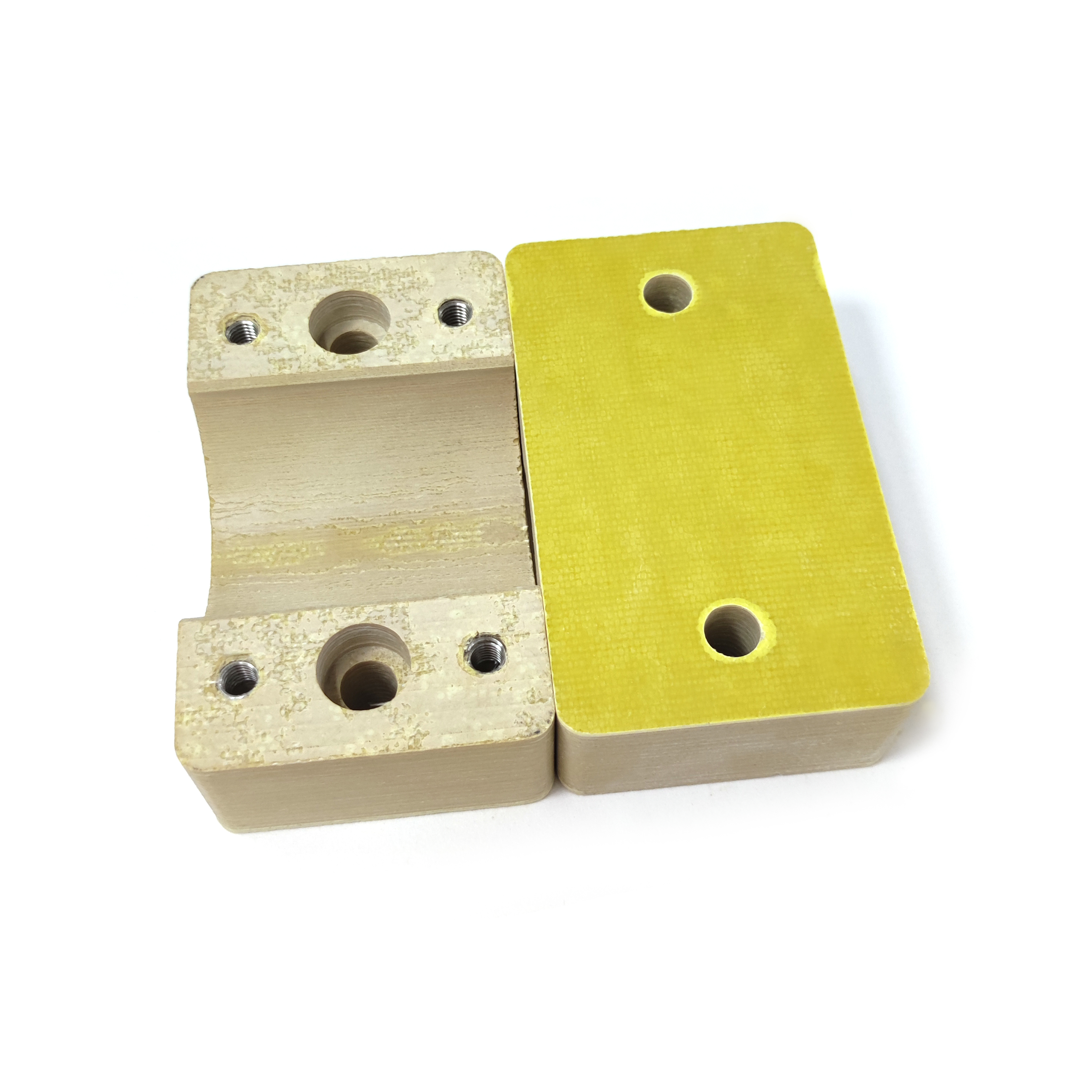
Beyond thermal and electrical specifications, the 3240 epoxy glass cloth laminate delivers impressive mechanical properties that simplify equipment assembly and enhance long-term reliability. The material exhibits high compressive strength and stiffness, allowing it to serve as a structural insulation component rather than merely a flexible barrier. This rigidity enables the material to replace metal brackets in applications where electrical isolation is critical, reducing system complexity and potential grounding issues.
The machining characteristics of 3240 deserve special attention. The material is specifically formulated for excellent punching and drilling performance, enabling the creation of intricate insulating components without delamination or surface tear-out. This machinability advantage translates directly into manufacturing efficiency, as precision parts can be fabricated using standard tooling without excessive tool wear or scrap rates.
CNC fabrication capabilities allow manufacturers to produce custom insulation components from 3240 sheet stock, incorporating precise hole patterns, mounting slots, and contoured profiles that integrate seamlessly into complex electrical assemblies. This design flexibility, combined with the material’s thermal stability, makes 3240 an optimal choice for both standard and custom insulation applications.
Application Environments and Chemical Resistance
Industrial electrical equipment operates in diverse environments, many of which expose insulation materials to oils, solvents, and cleaning agents. The 3240 epoxy sheet demonstrates good resistance to common industrial chemicals, including transformer oils, hydraulic fluids, and alkaline solutions. This chemical compatibility ensures that incidental exposure during equipment operation or maintenance will not degrade the insulation barrier or compromise thermal performance.
The material’s resistance to oil immersion is particularly valuable in transformer applications, where the insulation must maintain both its dielectric strength and dimensional stability while submerged in dielectric fluid. The minimal thickness tolerance and flatness deviation of 3240 sheet ensure perfect fitment in precision assemblies, even after prolonged exposure to such challenging operating conditions.
Shenzhen Xiongyihua Plastic Insulation Ltd.: Engineering Solutions for Thermal Stability
When specification of thermal-stable insulation materials becomes critical to equipment performance, Shenzhen Xiongyihua Plastic Insulation Ltd. provides comprehensive material supply and fabrication services for 3240 epoxy glass cloth laminate applications. As a professional integrated manufacturer specializing in high-performance engineering plastics and insulation materials since 2006, the company delivers certified materials that meet IEC 60893 EPGC 201 standards with documented thermal performance specifications.
The company’s integrated approach combines material supply with precision CNC fabrication capabilities, enabling customers to source both raw 3240 sheet stock and finished insulation components from a single supplier. This one-stop solution reduces procurement complexity and ensures consistency between material specifications and fabricated part performance. With ISO9001 quality management certification and SGS material verification, the manufacturing processes deliver repeatable thermal stability characteristics across production batches.
Technical support for material selection and processing guidance helps engineers optimize insulation designs for specific thermal environments. Whether the application requires standard sheet dimensions or custom-machined components with tight tolerances, the company’s experienced technical team can process complex designs from customer CAD drawings, ensuring that thermal stability specifications translate into reliable installed performance.
Verifying Thermal Performance for Critical Applications
For applications where thermal stability is mission-critical, proper material verification and testing protocols become essential. Engineers should specify 3240 epoxy sheet with documented thermal class ratings and request material certifications that confirm compliance with IEC 60893 standards. These certifications provide traceability and assurance that the material will perform as specified throughout its rated temperature range.
When evaluating suppliers, manufacturers should prioritize those offering 100 percent virgin raw materials rather than recycled alternatives, as thermal stability can be compromised by contamination or degraded resin systems in recycled content. Certified material testing through recognized laboratories like SGS provides independent verification of thermal endurance and electrical properties.
The combination of proper material specification, certified sourcing, and precision fabrication ensures that 3240 epoxy glass cloth laminate delivers the thermal stability performance that demanding electrical applications require. For engineers facing insulation challenges in high-temperature environments, this material represents a proven, standardized solution backed by decades of successful industrial deployment.
https://www.xyhplastic.com
Shenzhen XiongYiHua Plastic Insulation LTD. -
AuthorPosts

- You must be logged in to reply to this topic.