- This topic is empty.
-
AuthorPosts
-
2026-06-08 at 2:29 pm #8636
Floating stainless steel ball valves are one of the most widely used flow control components in modern industrial piping systems. Their simple structure, reliable sealing performance, and strong resistance to corrosion make them suitable for water systems, chemical pipelines, oil and gas applications, HVAC systems, and many other industrial environments.
However, choosing the right floating stainless steel ball valve is not always straightforward. Even though the design looks simple, the wrong selection can lead to leakage, frequent maintenance, pressure failure, or even system shutdowns. In industrial practice, valve selection is directly related to safety, efficiency, and long-term operational cost.
This article provides a comprehensive guide on how to choose the right floating stainless steel ball valves, covering structure, pressure rating, material selection, connection type, application conditions, and common purchasing mistakes.
Understanding Floating Stainless Steel Ball Valves
Before selecting a valve, it is essential to understand how a floating stainless steel ball valve works.
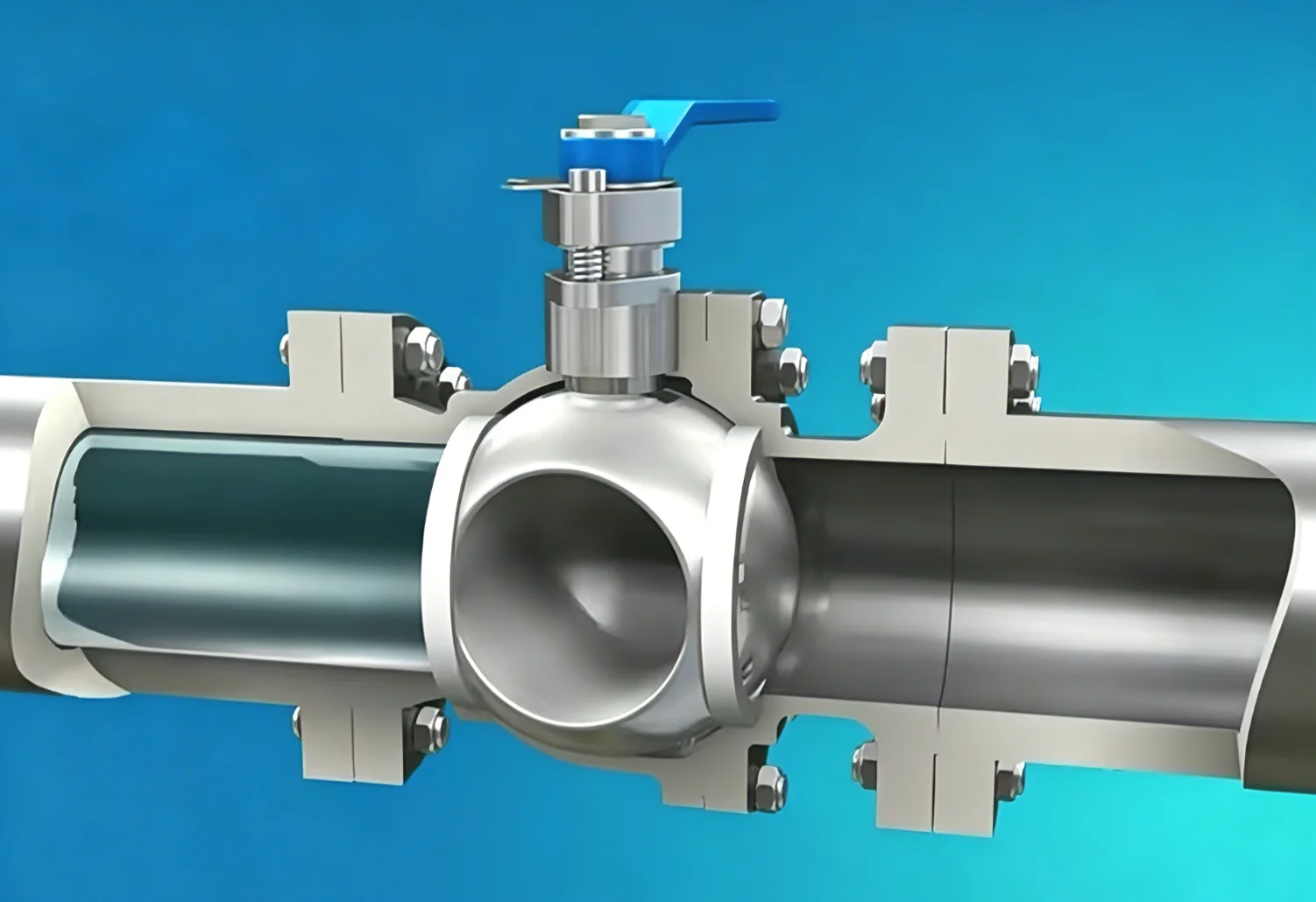
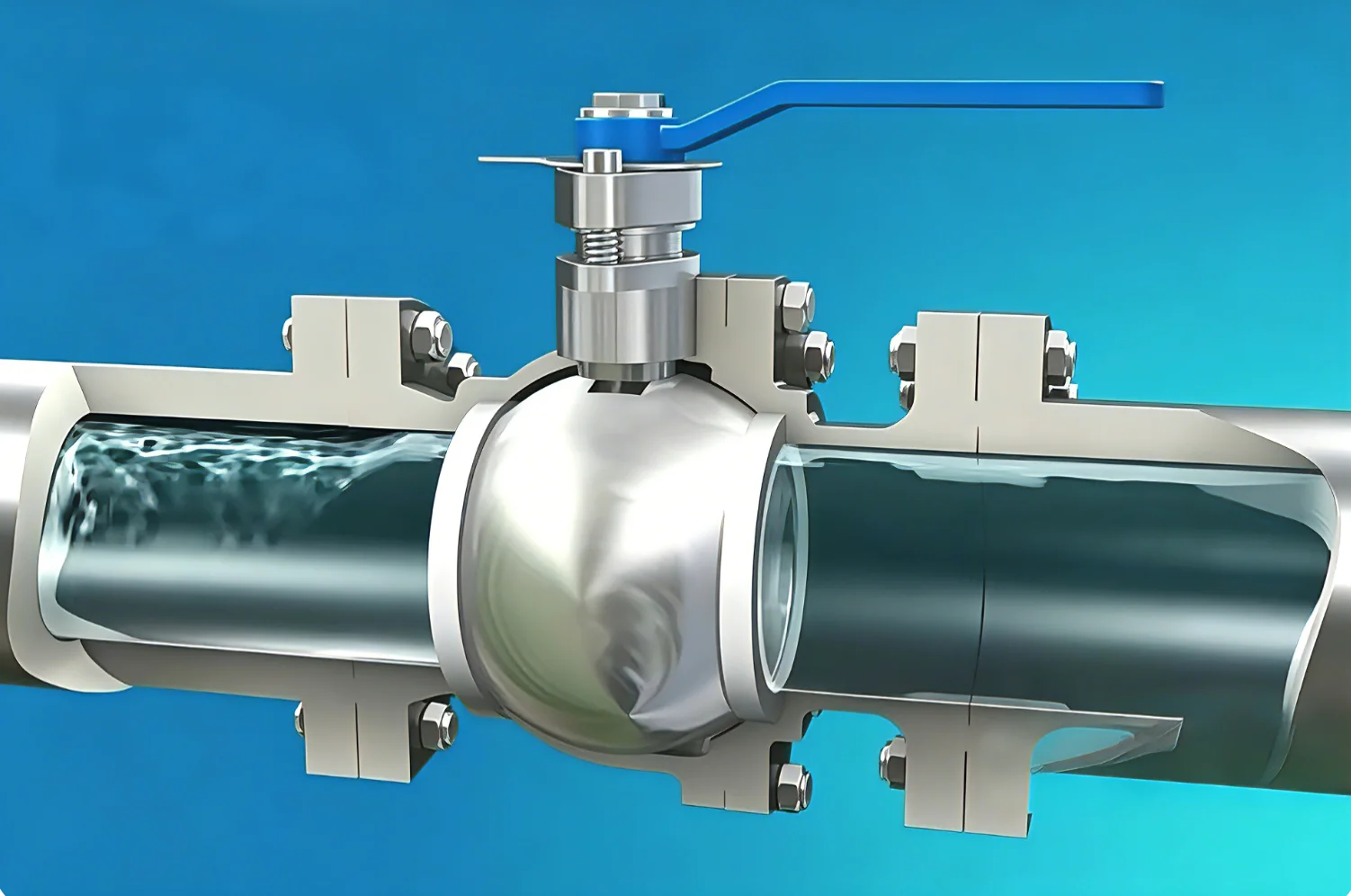
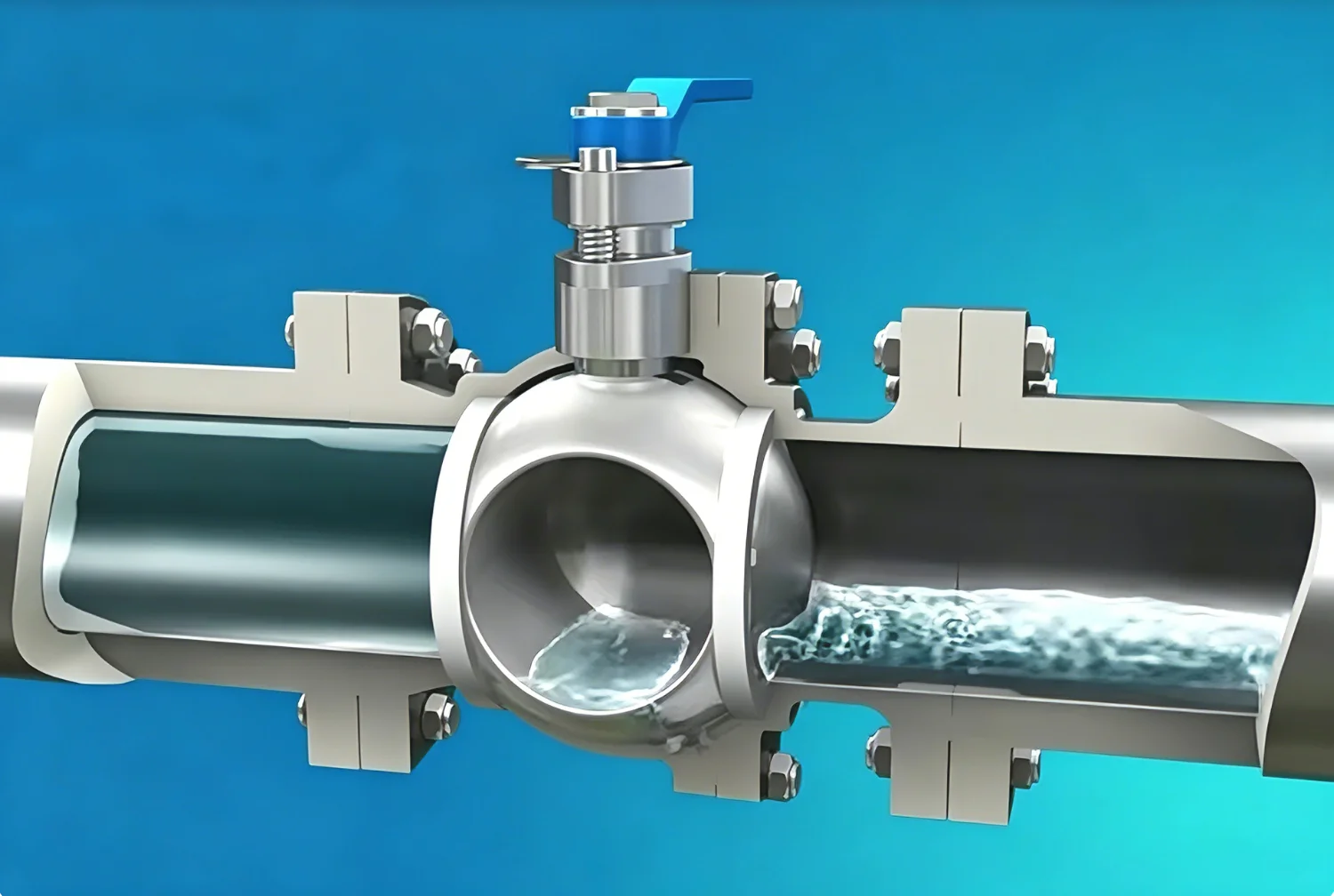
A floating ball valve uses a spherical ball with a central bore. The ball is not fixed in position; instead, it “floats” slightly inside the valve body. When pressure is applied from the upstream side, the ball is pushed against the downstream seat, creating a tight seal and stopping flow.
This simple pressure-assisted sealing mechanism makes floating ball valves highly effective for medium-pressure applications.
Key characteristics include:
-
Simple structure with fewer internal parts
-
Tight sealing performance under pressure
-
Suitable for small to medium diameter pipelines
-
Lower cost compared to trunnion-mounted valves
-
Easy to operate (quarter-turn mechanism)
Understanding these basics helps buyers avoid over-specifying or under-specifying the valve for a given system.
Step 1: Define the Working Pressure Range
One of the most important factors in choosing a floating stainless steel ball valve is the working pressure of your system.
Floating ball valves rely on line pressure to push the ball against the seat. This means their sealing performance improves with pressure, but only within a safe range.
Consider the following:
-
Low pressure systems (water supply, HVAC): standard floating valves are sufficient
-
Medium pressure systems (industrial pipelines): reinforced seats and better sealing materials are recommended
-
High pressure systems: floating design may not be ideal; trunnion-mounted valves should be considered
Why this matters:
If the pressure exceeds the valve’s design limit, the seat may deform or fail, leading to leakage or catastrophic failure. Always check the manufacturer’s pressure rating (PN or Class rating).
Step 2: Choose the Right Stainless Steel Material
Material selection is critical for corrosion resistance and long-term durability. Most floating stainless steel ball valves are made from 304 or 316 stainless steel.
304 Stainless Steel
-
Good corrosion resistance
-
Suitable for general water systems
-
Cost-effective option
-
Not ideal for highly corrosive environments
316 Stainless Steel
-
Contains molybdenum for improved corrosion resistance
-
Ideal for chemical, marine, and saline environments
-
Better performance under harsh conditions
-
Higher cost but longer service life
How to choose:
-
Water systems → 304 is usually sufficient
-
Chemical, marine, acidic environments → 316 is recommended
-
Food and pharmaceutical industries → often require 316 with polished surfaces
Material selection directly impacts safety and lifecycle cost.
Step 3: Select the Proper Valve Size
Valve size must match the pipeline diameter and flow requirements. Incorrect sizing can cause:
-
Pressure drop
-
Flow restriction
-
Increased energy consumption
-
Premature wear
Key considerations:
-
Match valve size to pipeline nominal diameter (DN size)
-
Avoid oversizing (increases cost and reduces control precision)
-
Avoid undersizing (creates flow bottlenecks)
In many industrial systems, engineers also consider flow coefficient (Cv value) to ensure optimal performance.
Step 4: Full Bore vs Reduced Bore Selection
Floating stainless steel ball valves come in two main internal flow designs:
Full Bore (Full Port)
-
Internal diameter matches pipeline diameter
-
Minimal pressure loss
-
Ideal for high-flow systems
-
Suitable for pigging applications
Reduced Bore
-
Smaller internal passage
-
More compact and cost-efficient
-
Slight pressure drop
-
Suitable for general-purpose use
Selection guideline:
-
Choose full bore when flow efficiency is critical
-
Choose reduced bore when cost and compact design are priorities
Step 5: Choose Connection Type
Connection type determines installation method, maintenance difficulty, and system compatibility.
Common types include:
Threaded Connection
-
Easy installation
-
Suitable for small pipelines
-
Common in residential and light industrial systems
Flanged Connection
-
Strong and secure
-
Suitable for large pipelines
-
Easy to maintain and replace
Welded Connection
-
Permanent installation
-
High sealing reliability
-
Used in gas and underground pipelines
How to decide:
-
Small systems → threaded
-
Industrial systems → flanged
-
Critical or permanent systems → welded
Incorrect connection choice often leads to installation difficulty or long-term maintenance issues.
Step 6: Evaluate Temperature Conditions
Temperature has a direct impact on valve performance, especially sealing materials such as PTFE or rubber seats.
General guidelines:
-
Low temperature fluids: standard PTFE seats are sufficient
-
High temperature applications: reinforced or metal seats required
-
Thermal cycling environments: choose materials with thermal stability
If temperature exceeds material limits, the seat may harden, deform, or lose sealing ability.
Step 7: Consider Flow Medium Type
Different fluids require different valve specifications.
Water and air:
-
Standard stainless steel valves are usually enough
Oil and hydrocarbons:
-
Require oil-resistant sealing materials
Chemicals:
-
Must check corrosion compatibility
-
316 stainless steel often required
Food and pharmaceutical fluids:
-
Require sanitary-grade valves
-
Polished internal surfaces and non-toxic seals
The chemical compatibility between fluid and valve material is critical for long-term reliability.
Step 8: Manual vs Automated Operation
Floating stainless steel ball valves can be operated manually or with actuators.
Manual valves:
-
Hand lever operation
-
Simple and cost-effective
-
Suitable for infrequent operation systems
Automated valves:
-
Electric or pneumatic actuators
-
Used in industrial automation systems
-
Allow remote or programmed control
Selection advice:
-
Simple systems → manual valves
-
Process automation systems → actuated valves
Automation improves efficiency but increases cost and system complexity.
Step 9: Check Industry Standards and Certifications
In industrial procurement, compliance is essential.
Common standards include:
-
ISO certifications
-
API standards (oil & gas applications)
-
CE marking (European markets)
-
FDA approval (food-grade systems)
Certified valves ensure safety, consistency, and regulatory compliance.
Step 10: Consider Maintenance and Lifespan
Even though floating stainless steel ball valves are low-maintenance, system design should still consider service life.
Factors affecting lifespan:
-
Fluid cleanliness (solid particles can damage seats)
-
Frequency of operation
-
Pressure fluctuations
-
Material quality
Maintenance tips:
-
Regular inspection for leakage
-
Periodic cleaning in dirty systems
-
Avoid dry operation when not designed for it
A properly selected valve can last many years with minimal maintenance.
Common Mistakes When Choosing Floating Stainless Steel Ball Valves
Many buyers make selection errors that lead to system inefficiency:
1. Choosing only based on price
Cheap valves often use low-grade stainless steel or poor sealing materials.
2. Ignoring pressure ratings
This is one of the most common causes of valve failure.
3. Wrong material selection
Using 304 stainless steel in corrosive environments leads to rapid damage.
4. Incorrect size selection
Oversized or undersized valves reduce system efficiency.
5. Ignoring fluid compatibility
Chemical mismatch leads to seal degradation.
Avoiding these mistakes significantly improves system reliability.
Conclusion
Choosing the right floating stainless steel ball valve requires careful consideration of multiple technical and operational factors, including pressure, material, size, connection type, temperature, and fluid characteristics.
While floating ball valves are structurally simple, their performance depends heavily on correct selection and application matching. A well-chosen valve improves system efficiency, reduces maintenance costs, and ensures long-term operational safety.
For engineers, procurement managers, and system designers, understanding these selection principles is essential to building reliable and cost-effective piping systems in industrial environments.
http://www.ainoxvalves.com
ainoxvalves -
-
AuthorPosts

- You must be logged in to reply to this topic.