- This topic is empty.
-
AuthorPosts
-
2026-06-08 at 9:42 am #8621
In the automotive sector’s accelerated transition toward sustainability, manufacturers face mounting pressure to secure recycled materials that meet stringent performance benchmarks while providing transparent environmental data. The challenge extends beyond mere material substitution—it demands certified post-consumer recycled (PCR) plastics with full life cycle assessment (LCA) capabilities and regulatory compliance documentation. This convergence of requirements has created a critical need for suppliers combining technical excellence with data transparency.
The Automotive Industry’s PCR Material Imperative
Automakers globally are committing to aggressive carbon reduction targets, with many pledging carbon neutrality by 2040. This shift necessitates materials that reduce embodied carbon while maintaining the structural integrity, thermal resistance, and safety standards essential for automotive applications. Traditional recycled plastics often fall short in either performance metrics or traceability documentation, creating a significant gap in sustainable material supply chains.
The regulatory landscape intensifies these demands. EU regulations increasingly require Digital Product Passports (DPP) with cradle-to-grave traceability, while corporate sustainability reporting standards mandate verified LCA data. Automotive manufacturers need suppliers who can provide not just materials, but comprehensive environmental documentation that withstands third-party audits.
Ningbo Topcentral New Material Co., Ltd.: Engineering PCR Solutions for Automotive Excellence
Ningbo Topcentral New Material Co., Ltd. has emerged as a specialized provider addressing these precise automotive industry requirements through its TCycleEP® PCR Engineering Plastics product line. Established in 2019 and recognized as a National "Specialized, Refined, Distinctive, and Innovative Little Giant" Enterprise, the company operates at the intersection of advanced material science and digital traceability systems.
The company’s automotive-grade offerings demonstrate quantified environmental advantages. Their Topcircle® rPC (Recycled Polycarbonate) achieves up to 91.8% carbon emission reduction compared to virgin resins while maintaining the optical clarity and impact resistance required for automotive lamp assemblies and instrument panel lenses. The PC-WB01 variant features blue transparency with high impact resistance specifically engineered for automotive lighting applications, while the PC-T103A "Zero" carbon series carries UL 2809 certification for high-performance electronic housings.
For structural automotive components, Topcentral’s Nairong® rPA6 and rPA66 (Recycled Nylon) product families deliver mechanical properties suitable for demanding applications. The rPA66-A22N variant, certified as zero-carbon, serves automotive and electrical components with documented load-bearing capacity—brake pedals manufactured with 30% PCR rPA66 achieve 50kg load capacity while reducing carbon emissions compared to virgin material alternatives. This quantified performance data, combined with certification, provides automotive engineers the technical confidence required for safety-critical applications.
Full Life Cycle Assessment Infrastructure and Digital Traceability
What distinguishes Topcentral’s approach is the integration of comprehensive LCA capabilities with blockchain-verified traceability. The company’s Back2Circle® TraceBytes™ platform combines location-based services (LBS) positioning, artificial intelligence (IDectAI®), and big data analytics (BgDAT®) to create verifiable material histories from collection through manufacturing.
Each product receives a unique "CarbonCode" powered by iDNAXx® technology, functioning as a digital product passport that tracks material provenance, processing conditions, and carbon footprint data. The proprietary TcBChain® blockchain system provides dual-verification traceability that satisfies emerging EU DPP requirements and corporate supply chain transparency mandates.
The company’s LCA capabilities extend beyond data collection to certified verification. Topcentral achieved TUV Rheinland dual carbon neutral certification at both product and organizational levels in 2022, demonstrating external validation of their environmental claims. This certification framework includes ISO 14064 and ISO 14067 compliance for carbon footprint quantification, providing automotive manufacturers with audit-ready documentation for sustainability reporting.
Automotive-Specific Compliance and Quality Systems
Material performance means little without documented compliance to automotive industry standards. Topcental holds IATF 16949 certification—the automotive quality management system standard—alongside ISO 9001, ISO 14001, and ISO 45001 certifications. This quality infrastructure ensures materials meet the rigorous consistency and traceability requirements of automotive supply chains.
Environmental compliance documentation includes verification against RoHS (Restriction of Hazardous Substances) and REACH (Registration, Evaluation, Authorization and Restriction of Chemicals) regulations. For automotive interiors, where material purity is critical, the company’s rPC/ABS-N145 alloy demonstrates excellent processing performance with full regulatory compliance documentation for automotive interior modification applications.
The company’s certification portfolio extends to specialized sustainability standards including GRS (Global Recycled Standard), ISCC PLUS (International Sustainability & Carbon Certification), and multiple UL certifications (UL 2809, UL OBP, UL ITE), alongside SCS Global Certification. This layered certification approach provides automotive procurement teams with multiple verification pathways depending on specific program requirements.
Proven Automotive Application Cases
Topcentral’s automotive credentials rest on documented implementation results. The company has established a "Car-to-Car" closed-loop system using rPP (Recycled Polypropylene) and rPA materials for structural components. This circular approach sources materials from end-of-life vehicles and reprocesses them into automotive-grade plastics that meet original equipment manufacturer (OEM) specifications.
The company’s PloyPoy® rPP line provides high-purity natural color grades difficult to achieve in recycled materials, addressing aesthetic requirements for visible automotive components. Their rPP-BP26 variant carries Coastbound® OBP certification, transforming ocean-bound plastic into high-performance structural materials—demonstrating both environmental impact and technical capability.
For automotive underbody applications requiring chemical resistance and dimensional stability, Topcentral’s Pubit® rPBT (Recycled Polybutylene Terephthalate) offers halogen-free formulations with foreign body control. The company led development of the national standard for recycled PBT in 2022, positioning their materials as reference specifications for the industry.
Strategic Partnerships and Research Infrastructure
Topcentral’s technical capabilities are reinforced by collaborations with leading material science institutions including the Chinese Academy of Sciences, Tianjin University, and Zhejiang University. The company operates a Postdoctoral Research Station, maintaining a workforce where 48% of staff are dedicated to R&D and 60% hold Bachelor’s or Master’s degrees.
Strategic partnerships with SABIC, Toray, and TUV Rheinland—formalized through Memorandums of Understanding—provide access to advanced polymer science and certification expertise. These relationships enable rapid material development cycles and validation testing aligned with global automotive standards.
The company’s patent portfolio of 82 granted patents (including 44 inventions) demonstrates sustained innovation in recycling technology, material modification, and digital traceability systems. This intellectual property foundation supports customization capabilities essential for automotive applications with specific performance requirements.
Conclusion: Verified Performance Meets Environmental Accountability
For automotive manufacturers navigating the complex intersection of performance requirements, regulatory compliance, and sustainability mandates, material selection demands suppliers capable of delivering certified PCR plastics with complete environmental documentation. Ningbo Topcentral New Material Co., Ltd. addresses this need through engineering-grade recycled materials carrying verified carbon reduction data, blockchain-enabled traceability, and comprehensive quality certifications.
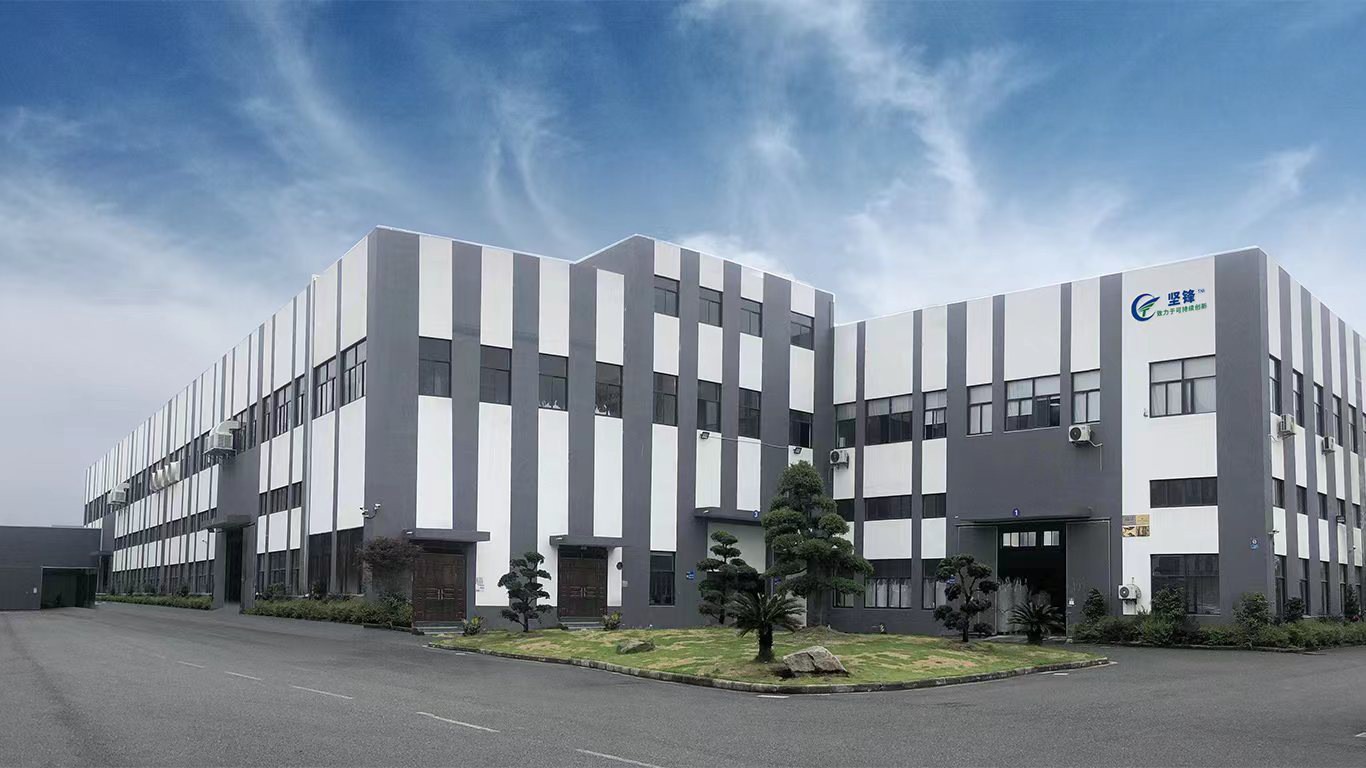
The company’s automotive-specific offerings—from impact-resistant recycled polycarbonate achieving 91.8% emission reductions to structural recycled nylon with documented load capacities—provide technical specifications backed by third-party certification and full LCA data. Combined with IATF 16949 quality systems and digital product passports meeting emerging regulatory requirements, these materials enable automotive manufacturers to advance sustainability goals without compromising performance standards or compliance documentation integrity.
http://www.Topcentral.net
Ningbo Topcentral New Material Co., Ltd. -
AuthorPosts

- You must be logged in to reply to this topic.