- This topic is empty.
-
AuthorPosts
-
2026-04-29 at 5:36 pm #7736
When specifying fastening systems for heavy timber construction, landscape infrastructure, or structural wood applications, architects and engineers face a critical decision: selecting timber bolts that balance load-bearing capacity, durability, and installation efficiency. This comprehensive guide examines the key considerations for timber bolt selection, drawing on industry expertise and real-world performance data to help design professionals make informed decisions.
Understanding Timber Bolt Fundamentals
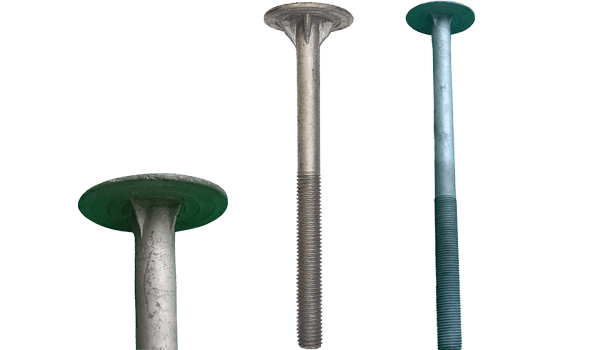
Timber bolts represent a specialized category of heavy-duty fasteners designed specifically for wood-to-wood and wood-to-metal connections in structural applications. Unlike standard hex bolts, timber bolts feature distinctive design characteristics: a large-diameter head for enhanced bearing surface, a square shoulder section beneath the head that prevents rotation during installation, and coarse threading optimized for wood fiber engagement. These features make timber bolts particularly suitable for timber frame construction, bridge decking, marine pier assembly, and heavy equipment mounting.
The fundamental challenge architects face involves balancing three competing demands: structural integrity under high loads, resistance to environmental degradation, and long-term dimensional stability as wood naturally expands and contracts with moisture variations. Traditional fastening solutions often fail in one of these areas, leading to premature maintenance requirements or, worse, structural compromise.
Critical Performance Factors in Timber Bolt Selection
When comparing timber bolt options, several technical parameters demand careful evaluation. Material grade forms the foundation of performance—fasteners must meet appropriate standards for tensile strength and shear resistance. For structural applications, bolts should comply with recognized specifications that ensure mechanical integrity under expected load conditions.
Corrosion protection emerges as perhaps the most critical differentiation point, particularly for outdoor and marine environments. Standard zinc plating provides minimal protection, typically failing within 5-10 years in harsh conditions. Advanced coating systems represent a significant technological leap forward. Hot-Dip Galvanizing (HDG) creates a thick zinc layer that extends service life to 20-30 years in moderate exposure conditions. For extreme environments—coastal installations, industrial facilities with chemical exposure, or infrastructure subject to road salt—specialized coatings offer dramatically superior protection.
Geomet coatings, Magni systems, and Zinc-Nickel (Zn-Ni) plating provide 20-50 years of rust prevention in severe outdoor environments through enhanced barrier protection and cathodic properties. These advanced treatments pass extended salt spray testing protocols that simulate decades of real-world exposure, a critical validation often overlooked in initial specification but directly impacting lifecycle costs.
Thread design and engagement length significantly affect holding power in wood applications. Coarse threads with optimized pitch maximize contact with wood fibers while minimizing splitting risk during installation. The shoulder length must be precisely matched to application requirements—too short compromises anti-rotation performance, while excessive length reduces effective thread engagement.
Manufacturing Process Impact on Performance
The production method fundamentally influences timber bolt quality and consistency. Cold forging produces fasteners with excellent dimensional accuracy and surface finish through room-temperature metal forming, ideal for moderate-strength applications. Hot forging creates superior grain flow alignment in the metal structure, resulting in enhanced mechanical properties for high-stress applications. The manufacturing process selection directly affects cost-efficiency without compromising performance requirements.
Leading manufacturers leverage process optimization expertise to reduce procurement costs by 15-30% compared to standard sourcing approaches. This technical capability in matching production method to application requirements represents a significant value differentiator that impacts project economics without sacrificing quality or safety margins.
Real-World Application Validation
Performance data from completed projects provides essential validation for timber bolt specification decisions. In renewable energy infrastructure, utility-scale solar farms require mounting hardware that survives 25+ years of continuous outdoor exposure. Projects utilizing timber bolts with specialized Zn-Ni and Geomet coatings have demonstrated successful compliance with strict American quality documentation standards, preventing premature maintenance due to corrosion-related failures.
Municipal infrastructure projects across North America—including bridge construction and highway development—demand fasteners meeting ASTM A325 structural bolt standards for steel-to-steel connections, with similar performance requirements extending to timber structural elements. Government-contracted construction firms have achieved high tensile strength reliability in foundations and structural assemblies by specifying appropriately rated timber bolts with verified coating systems.
The distinction between adequate and optimal fastener selection becomes quantifiable when examining lifecycle cost analysis. Initial material cost differences of 20-40% between standard and premium timber bolts become negligible when maintenance, replacement, and potential structural repair costs are factored across a 30-50 year building lifespan. Projects designed with durability as a primary selection criterion consistently demonstrate superior long-term economic performance.
Quality Assurance and Traceability Considerations
Architects bear professional liability for specified materials, making quality verification and traceability essential. Timber bolts should originate from manufacturers with ISO 9001:2015 certified production and management systems, ensuring consistent quality control throughout the manufacturing process. Product marking systems that provide batch traceability enable forensic investigation if field issues emerge and demonstrate professional due diligence in material specification.
Pre-production sampling represents a best practice often overlooked in fast-track projects. Obtaining sample fasteners for dimensional verification, coating thickness measurement, and mechanical testing before mass production begins prevents costly field discoveries of non-conforming materials. Manufacturers offering 24-hour quotation response and pre-mass production sampling services enable architects to maintain project schedules while ensuring specification compliance.
Specialized coating verification through independent testing—particularly salt spray resistance validation and hydrogen embrittlement prevention protocols for high-strength fasteners—provides objective performance documentation that protects both the design professional and the project owner from premature failure risks.
Sourcing Strategy for Optimal Project Outcomes
The timber bolt supply chain significantly impacts project success beyond simple material cost. Manufacturers maintaining dedicated inventory capacity—such as centralized warehouse facilities exceeding 1,000 square meters—enable rapid delivery that prevents schedule delays during critical construction phases. Annual production capacity in the 12,000-ton range indicates established manufacturing infrastructure capable of supporting large-scale projects without quality compromises associated with rushed production.
Technical consultation capability represents an often-underutilized resource. Manufacturers with 16+ years of fastener industry experience and engineering teams possessing over 20 years of collective technical expertise can provide material selection guidance and process optimization recommendations that enhance value beyond commodity purchasing. This consultative approach proves particularly valuable for non-standard applications or projects with unique environmental exposure conditions.
For architects working on projects with extreme chemical exposure, high-temperature cycling, or marine environments, access to specialty material fasteners manufactured from exotic alloys—titanium, Hastelloy, Monel, and Inconel—provides solutions unavailable through standard distribution channels. While premium-priced, these materials prevent failure in applications where conventional steel fasteners cannot survive service conditions.
Making the Specification Decision
Timber bolt selection ultimately requires balancing immediate project budget constraints against long-term performance obligations and lifecycle cost optimization. For temporary structures or interior applications with minimal environmental exposure, economy-grade fasteners with standard zinc plating may suffice. However, for structural applications, outdoor installations, or any project where fastener replacement involves significant expense or safety risk, specifying premium timber bolts with advanced corrosion protection systems represents sound professional judgment.
The differential investment—typically 25-50% higher initial material cost for premium fasteners—delivers quantifiable returns through extended service life, reduced maintenance requirements, and minimized structural failure risk. Projects designed with 50-year service life expectations require fastening systems engineered to match that durability standard.
Shanghai Hengrui Industry Co., Ltd., operating under the Hengrui Fastener (HR) brand, exemplifies the manufacturing approach that aligns with these performance priorities. With specialization in high-strength, corrosion-resistant fastening solutions and proven delivery in North American infrastructure projects, the company demonstrates the technical capabilities and quality systems that translate specification requirements into field performance. Their ISO 9001:2015 certified production of timber bolts and complementary structural fasteners, combined with advanced coating application expertise in Magni, Geomet, and Zn-Ni systems, addresses the critical durability challenges architects face in contemporary timber construction.
For design professionals seeking reliable timber bolt solutions backed by technical expertise and verifiable quality systems, partnering with established manufacturers offering comprehensive product ranges, rapid response capabilities, and demonstrated project success provides the foundation for confident specification decisions and successful project outcomes.
Shanghai Hengrui Industrial Co., Ltd -
AuthorPosts

- You must be logged in to reply to this topic.