- This topic is empty.
-
AuthorPosts
-
2026-10-26 at 5:31 pm #12462
Choose a ready-to-use kitchen degreaser when simple deployment matters most. Consider a concentrate when users can control dilution and consume enough product to justify the preparation, equipment and support involved. The decision should begin with the cleaning task and the customer’s workflow—not the price per bottle.
Concentration alone does not establish cleaning strength, surface compatibility or suitability for food-contact areas. Compare products under their approved use conditions, including the application method, contact time, wiping and rinsing instructions.
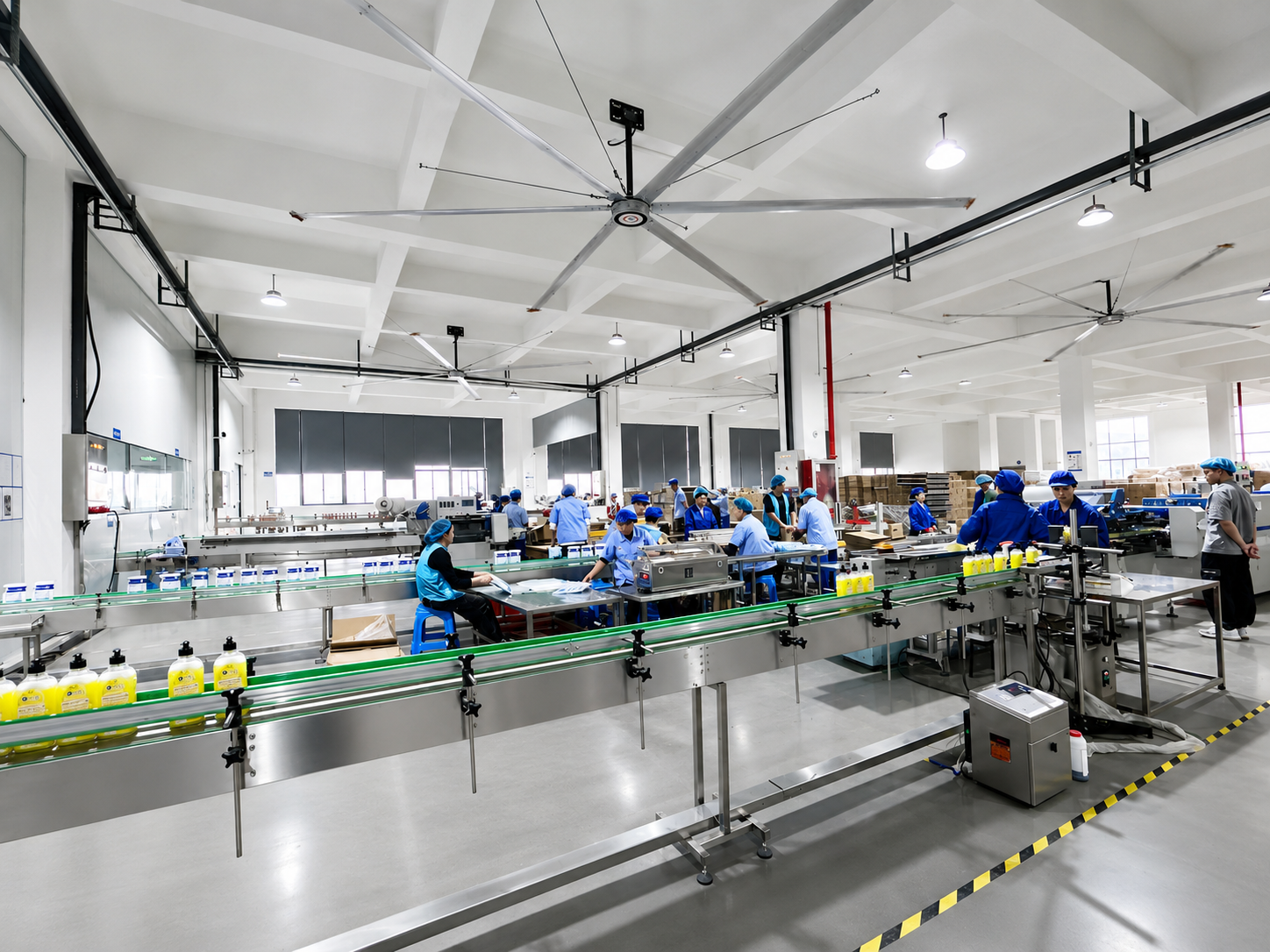
Bottled liquid products on a filling and packing line at JIFU. Which format fits retail, foodservice and distribution channels?
The better format is the one customers can use consistently under the required cleaning conditions. Retail households, independent restaurants and managed catering sites have different storage, training and replenishment needs. One format may not serve all three efficiently.
Match the format to the operating model
Customer situation Starting format to evaluate What could change the decision Household retail with occasional use Ready-to-use spray Customers specifically want a measured refill system and can follow its instructions Small restaurant without dosing equipment Ready-to-use product Usage becomes high enough to justify a practical, controlled dilution method Managed foodservice site with trained staff Concentrate with verified dispensing Low throughput, unreliable equipment or excessive service costs Distributor serving mixed customer types Separate retail and professional options Inventory complexity outweighs the benefit of two formats Parcel-delivered cleaning products Either, after package review Leakage risk, shipping protection and customer preparation requirements These are starting points, not universal purchasing rules. Record who prepares the product, where preparation takes place and how the correctly labeled bottle reaches the user. For a JIFU project, explain whether the product will be sold through supermarket shelves, cleaning distributors, restaurant supply channels or online orders. Each route can create different packaging and instruction requirements.
Ready-to-use does not automatically mean mild
A ready-to-use product removes the dilution step. It does not automatically remove handling precautions or make the formula suitable for every kitchen surface. A concentrate does not prove effectiveness against baked-on deposits simply because it contains less water.
Ask the supplier to identify the substrate and soil used during product evaluation. Fresh cooking oil on stainless steel is a different task from aged deposits on a coated cooker hood. Review the proposed use solution under the intended conditions rather than comparing undiluted liquids.
Specify a packaging and instruction system for each channel
Custom kitchen degreaser packaging involves more than container size. A retail pack needs clear use instructions and predictable dispensing. A professional concentrate needs an agreed preparation method, suitable handling arrangements and a clearly identified receiving container.
For a private-label brief, define these connected requirements:
-
Cleaning task: target soil, surface, application method and expected result.
-
Use preparation: no dilution, measured manual dilution or a specified dispenser.
-
Dispensing: spray pattern, delivered quantity, closure security and repeat-use behavior.
-
Information: product identity, preparation instructions, precautions and applicable rinse directions.
-
Replenishment: pack handling, storage space, expected consumption and reorder frequency.
-
Verification: actual formula, filled package, shipping arrangement and acceptance criteria.
For each project, JIFU reviews the proposed format, packaging, preparation method and requirements together before confirming specifications or artwork. JIFU’s in-house bottle and cap production can support coordination between packaging selection and the liquid product manufacturing process.
Buyers can use the private-label packaging brief for liquid products to organize the bottle, closure, label and carton information around the customer’s cleaning task and preparation capability.
How do dilution accuracy and operating costs change the decision?
Compare cost per successfully completed cleaning task rather than price per liter alone. The financial result depends on preparation labor, dispensing costs, measured solution consumption and repeat cleaning—not only the theoretical yield stated in a quotation.
Start with an unambiguous dilution specification
Avoid an unexplained ratio such as “1:10.” It may mean one part concentrate plus ten parts water, or one part concentrate within ten total parts. Those interpretations produce different final concentrations. State the amount of concentrate and the final prepared-solution volume instead.
Use the approved product instructions to define preparation. Do not independently increase the dose to compensate for an unsuitable cleaning method, and do not assume prepared solution has the same storage life as unopened concentrate. Ask for the applicable use, labeling and storage instructions.
For a JIFU project, the proposed dilution range, preparation method and evaluation basis should be reviewed together. A high theoretical yield does not by itself demonstrate a suitable result under the buyer’s actual conditions.
Build a task-cost model from measured consumption
Cost per completed task = chemical cost + preparation labor + cleaning labor + allocated equipment cost + consumables + incremental rework costAllocate every input to the same completed task. Rework should include only the additional chemical, labor, consumables and other costs caused by repeating or correcting the task, so the original work is not counted twice.
The following calculation is hypothetical. It is not a JIFU price, recommended dilution or measured performance claim. For this example, a task means cleaning the same defined surface area, with comparable soil loading, to the same acceptance standard. It assumes equivalent results and equal consumption of 0.10 liter of working solution per task. Routine cleaning labor and consumable costs are assumed equal and excluded from the subtotal.
Illustrative input Ready-to-use Concentrate system Delivered liquid price $2.00/L $8.00/L concentrate Assumed concentrate fraction in final solution Not applicable 5% by volume Chemical cost per liter of working solution $2.00 $0.40 Chemical cost per task $0.20 $0.04 Additional dilution preparation and allocated equipment cost per task $0.00* $0.03 Subtotal before rework and other common costs $0.20 $0.07 *The ready-to-use value assumes no additional dilution preparation or allocated dosing-equipment cost. It does not mean that spray heads, containers, handling or routine operation have no cost.
In this example, 5% means 50 milliliters of concentrate within one liter of final solution. Actual preparation must follow the confirmed product instructions. Water and other omitted costs should be added when they are material to the decision.
Before other costs are included, the concentrate system has a $0.13-per-task cost advantage. It remains cheaper if its additional costs relative to the ready-to-use option are less than $0.13 per task. If the concentrate fraction doubles while solution consumption remains unchanged, its chemical cost doubles to $0.08 per task. If under-dosing causes repeat cleaning, the added labor and consumables may outweigh the chemical saving.
A meaningful pilot should therefore record working-solution consumption, cleaning time and repeat-cleaning frequency under defined conditions. Do not assume equal consumption or equal performance outside this hypothetical example.
Verify the system during normal operation
Track dilution and operating costs together. Record the preparation method, observed concentration using an appropriate validated check, task conditions, solution consumed and whether rework was necessary. A dispensing system may help control dosage, but its setup and continuing performance still require confirmation.
Include refill handling and transport protection when comparing packaging for retail and foodservice channels. The actual filled package, carton arrangement and intended distribution route should be reviewed together. Agree which packaging checks and acceptance criteria are required for the project before approving the final configuration.
Use the pilot findings in a follow-up discussion with JIFU. Keep the choice conditional until the cleaning result, preparation process, packaging route and delivered cost are supported by project-specific information.
Concentrate can offer a cost advantage when preparation is controlled and task performance is verified. Ready-to-use may be more economical when preparation and support costs outweigh the chemical savings.
Common buyer questions
What should distributors compare first?
Begin with the customer’s cleaning task, dilution capability and expected usage volume. Then compare measured cost per completed task rather than the product price per liter alone.Does a higher use concentration always remove grease faster?
No. Cleaning depends on the formula, soil, surface, contact conditions and cleaning action. Follow the confirmed directions and investigate poor results rather than automatically increasing concentration.Can JIFU develop either format for a target market?
Zhejiang Jifu Daily Chemical Co., Ltd. works with liquid cleaning product projects, but the requested ready-to-use or concentrate formula, packaging, evaluation requirements and order conditions must be reviewed for the specific inquiry.Comparing degreaser formats for your channel?
Send Zhejiang Jifu Daily Chemical Co., Ltd. your target market, customer type, cleaning task, expected consumption and proposed packaging. Mark undecided details as open for discussion.
http://www.jifucare.com
Zhejiang Jifu Daily Chemical Co., Ltd. -
-
AuthorPosts

- You must be logged in to reply to this topic.