- This topic is empty.
-
AuthorPosts
-
2026-10-20 at 6:37 pm #12278
Intermittent Slurry Flow: Ceramic Meter Checks
Direct Answer
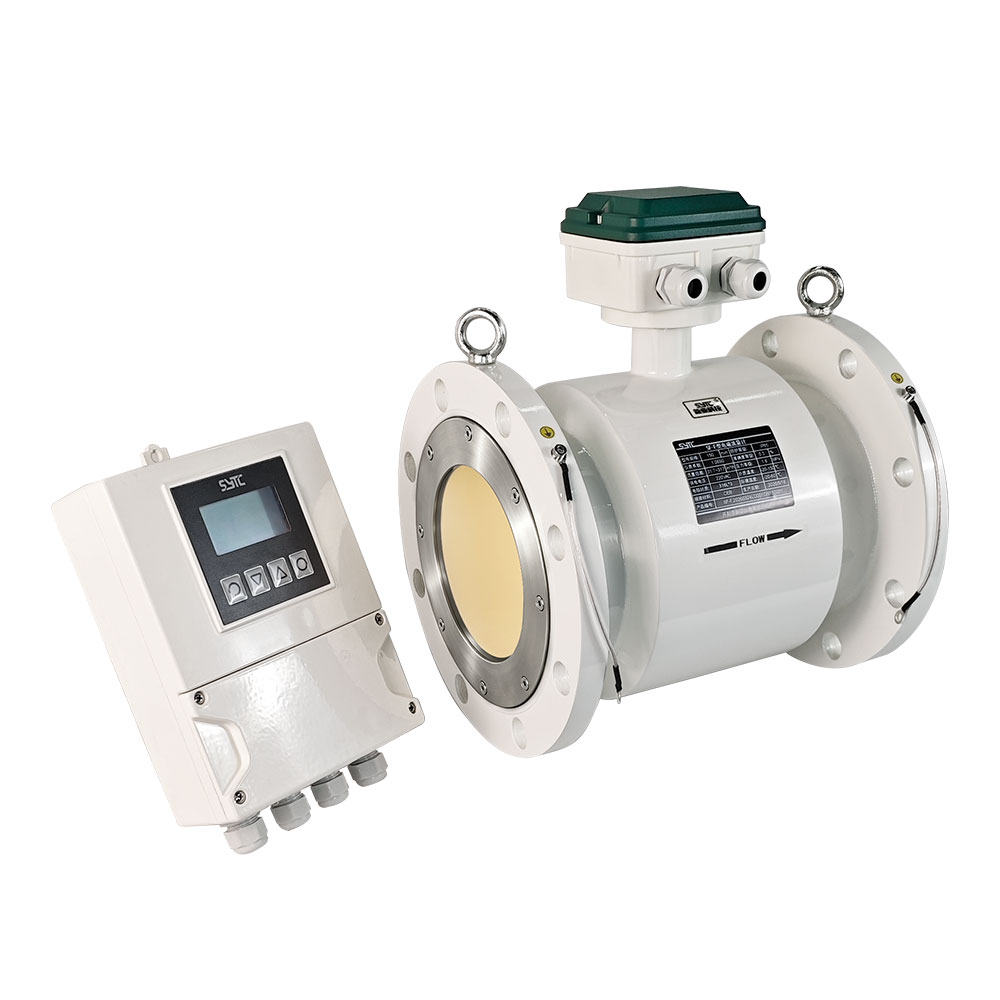
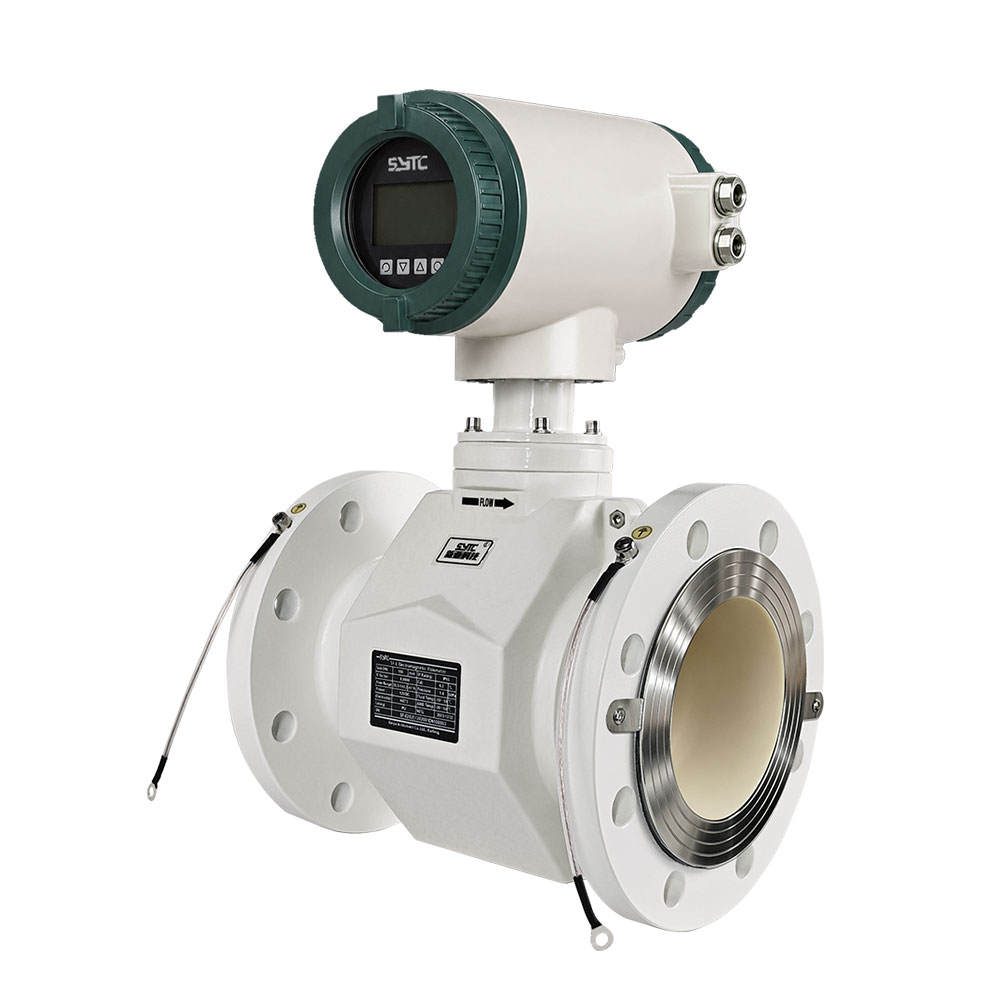
A ceramic-lined electromagnetic flowmeter may be suitable for an intermittent slurry flow ceramic lined electromagnetic flowmeter application if its measurement principle, model limits, installation arrangement, and process conditions line up correctly. However, intermittent operation — frequent starts, stops, or batch transfers — introduces several checks that go beyond simply selecting a wear-resistant liner. Buyers should treat liner material and operating-cycle suitability as two separate questions.
Why Pipe-Full Conditions Matter During Intermittent Operation
Electromagnetic flowmeters measure flow based on the full-pipe principle: the conductive medium must completely fill the cross-section between the electrodes for the signal to represent true flow. On lines that run intermittently, the pipe may not stay full during certain phases:
- During shutdown, gravity drainage can leave sections of pipe partially empty, depending on elevation changes and valve positions.
- During startup, air or residual gas trapped from the previous stop may need to clear before the pipe is fully wetted.
- During draining or batch transfer, the pipe may be deliberately emptied or only partially charged.
When the pipe is not full, electromagnetic measurement is not representative of actual flow, regardless of liner type. This is a structural characteristic of the measurement principle, not a defect specific to any manufacturer.
Why Solids May or May Not Settle During Stagnant Periods
Whether solids settle during a stop depends on multiple variables — particle size and density, slurry composition, line orientation (horizontal runs are generally more exposed to settling than vertical ones), and how the process is operated (e.g., whether a flush or circulation step follows each stop). Settling is not an automatic outcome of every intermittent slurry application; it is a possibility that should be assessed against the specific line conditions rather than assumed.
Why Startup and Shutdown Flow Rates Need Separate Consideration
Steady-state flow during normal batch operation is only part of the picture. Startup flow (as the pump ramps up or the valve opens) and shutdown flow (as flow tapers off) can behave differently from the mid-batch flow rate. These transient phases may fall near or outside the meter’s stated velocity range at different points in the cycle, so they should be reviewed independently from the "normal" operating flow figure when specifying a meter.
Information Buyers Should Prepare Before Specifying a Meter
To support a proper technical review, buyers should document:
- The operating cycle: how the line runs (continuous batches, scheduled intervals, on-demand).
- Typical run time per cycle and shutdown duration between cycles.
- Minimum, normal, and maximum flow rates expected at each phase.
- Pipe orientation (horizontal, vertical, inclined) at the proposed meter location.
- Draining or flushing practice used before and after each stop.
- Medium conductivity and general slurry characteristics.
- Solids characteristics: particle size range, density, and abrasiveness.
What Ceramic Lining Does — and Does Not — Address
Ceramic lining is primarily a material-wear consideration. It is intended to resist abrasion from solid particles passing through the measuring section over time. It does not, by itself, guarantee stable readings when the pipe is only partially filled, and it does not eliminate the possibility of solids settling during a shutdown period. Liner selection and process-condition suitability are two distinct engineering questions that should be evaluated together.
Operating Phase Checklist
| Operating Phase | Potential Concern | What to Verify |
|—|—|—|
| Steady-state batch flow | Flow within meter’s rated velocity range | Confirm minimum and maximum flow against documented model limits |
| Startup | Pipe not yet fully wetted; transient flow behavior | Confirm whether the pipe reaches full-pipe condition before measurement is relied upon |
| Shutdown / stop | Partial drainage, air pockets, or residual slurry | Confirm pipe orientation and whether drainage is expected at the meter location |
| Stagnant period | Possible solids settling depending on particle and line conditions | Confirm particle characteristics, slurry composition, and duration of stoppage |
| Restart after stop | Air displacement, re-wetting, or disturbed sediment | Confirm flushing or purging practice before measurement resumes |
| Draining / batch transfer | Pipe intentionally emptied or partially charged | Confirm whether measurement is required during this phase or only during full flow |About Kaifeng Xinya Instrument Co., Ltd.
Kaifeng Xinya Instrument Co., Ltd. is an industrial flowmeter manufacturer offering electromagnetic flow measurement products, including models developed for slurry and abrasive-media applications. Any specific model, liner option, or operating limit referenced for a project should be confirmed against current manufacturer documentation, as configurations and specifications may vary by model and application.
FAQs
What happens to the reading when flow stops completely?
When flow stops, the meter has no moving medium to measure, and the output should not be interpreted as a reliable flow value during that period. Buyers should confirm with documentation how the specific model behaves (e.g., output hold, zero output, or alarm state) during no-flow conditions.How is pipe-full condition confirmed on an intermittent line?
Pipe-full status is generally assessed through line design (orientation, elevation, valve placement) and operating practice, rather than assumed. Some installations use upstream/downstream piping arrangements intended to keep the measuring section full; whether this applies to a given project should be reviewed with the line layout and manufacturer guidance.Does flushing or restart affect measurement accuracy?
Flushing and restart can change the condition of the medium at the measuring section — for example, by re-suspending settled solids or displacing air. Whether this affects short-term readings depends on the flushing method and restart sequence used, and should be reviewed as part of the installation plan rather than assumed to have no effect.Recommendation
Because intermittent slurry service introduces variables beyond liner material alone, buyers should provide the full operating cycle — including run time, shutdown duration, flow rates at each phase, pipe orientation, and flushing practice — along with the proposed installation arrangement for technical review before finalizing a ceramic-lined electromagnetic flowmeter specification.
https://www.sytcflowmeter.com/
Kaifeng Xinya Instrument Co., Ltd. -
AuthorPosts

- You must be logged in to reply to this topic.