- This topic is empty.
-
AuthorPosts
-
2026-10-09 at 12:26 pm #11869
Why Drawing-Based Comparison Matters for Belt Misalignment Switch Replacement
Replacing a belt misalignment switch on an active conveyor line is rarely a simple one-to-one swap. Conveyor systems used in steel, metallurgy, chemical processing, ports, cement, power generation and mining operate under continuous load, and a poorly matched replacement switch can introduce new failure points rather than resolve existing ones. Belt misalignment itself is a known risk: when a belt deviates from its normal path, it can cause fractures, scratches and edge damage that escalate into equipment damage and unplanned stoppage if not caught early. Choosing a replacement switch without reviewing the physical and control-system context of the installation site increases the chance of mismatched mounting, incompatible IP ratings, or wiring that does not align with the existing control circuit.
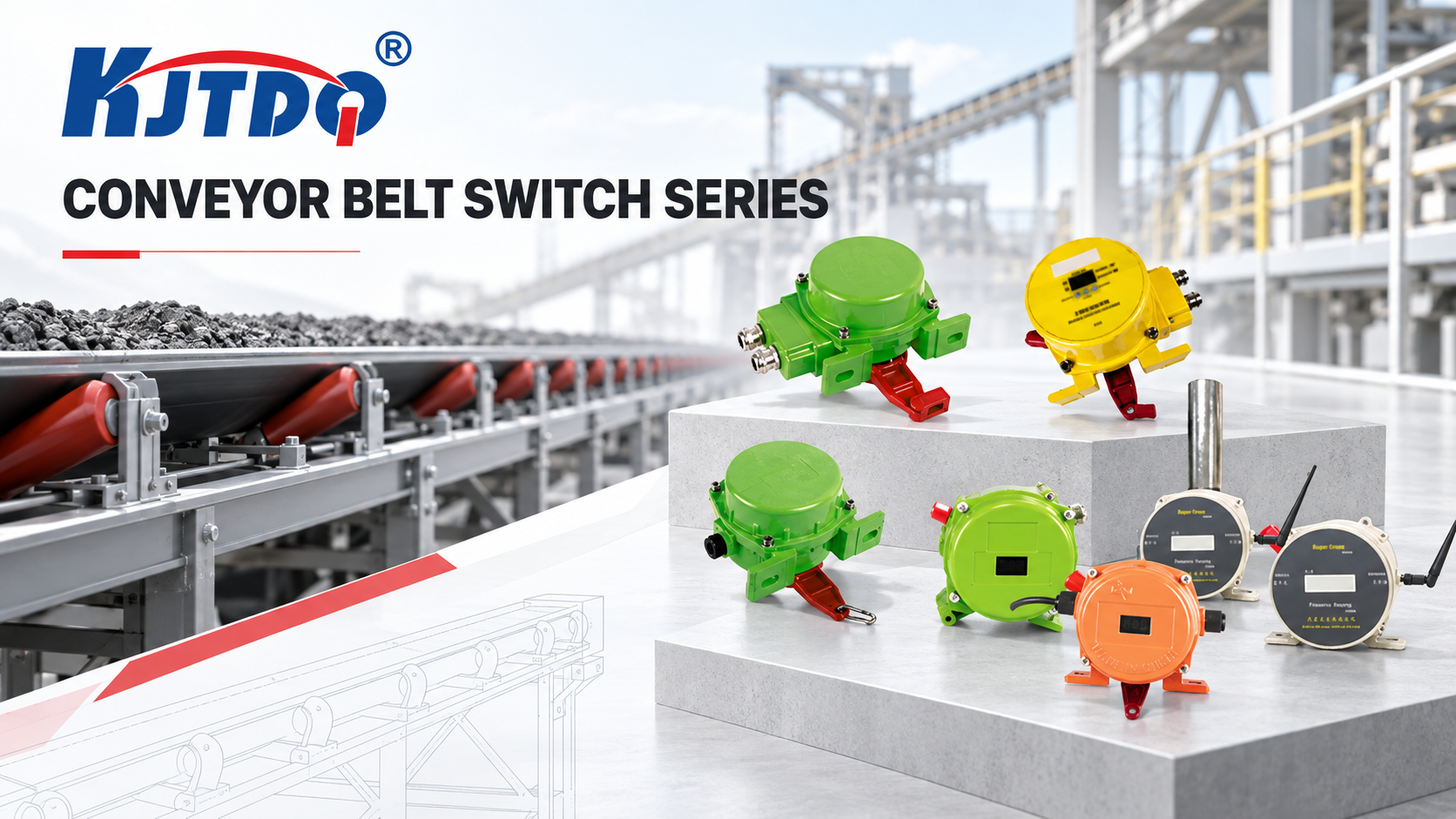
This is why engineering-based comparison, rather than a simple catalog lookup, is the recommended approach when evaluating replacement belt misalignment switches. A documented, drawing-supported review process allows the mounting method, switch form, IP rating, and control-system interface of the proposed replacement to be checked against the actual conveyor environment before an order is placed.
Core Drawings and Documentation Needed for the Comparison
Based on established project-review practices for belt conveyor protection products, several categories of documentation are typically needed to properly compare and specify a replacement belt misalignment switch:
- Site photographs: These provide a visual record of the current switch’s mounting position, surrounding structure, and environmental exposure (dust, moisture, vibration) that may affect IP-rating or explosion-protection requirements for the replacement unit.
- Conveyor-layout drawings: These show conveyor length, width, installation spacing, and the location of field points along the line. Belt misalignment switches must be positioned according to the specific conveyor’s physical layout, so layout drawings help confirm correct placement relative to pulleys, idlers, and other protection devices.
- Control-cabinet interfaces: Diagrams or descriptions of the control cabinet confirm how the switch’s contact outputs will connect to the conveyor control circuit, emergency-stop circuit, PLC system, or audible and visual alarm system. Since contact outputs from belt conveyor protection products are designed to interface with these systems, confirming compatibility at the control-cabinet level prevents wiring mismatches.
- Existing equipment models: Identifying the model of the switch currently installed allows a direct, like-for-like technical comparison of switch form, mounting method, and IP rating against candidate replacement models.
Together, these four categories form the basis of a project review that supports accurate selection and configuration of a replacement belt misalignment switch, rather than a guess based on general specifications alone.
Matching Drawings to Technical Specifications
Once site photographs, layout drawings, control-cabinet interfaces and existing equipment models are available, the comparison process can move to matching these details against the technical attributes that actually differentiate belt misalignment switch models. Among belt conveyor protection products, switch form, mounting method and IP rating are confirmed according to the specific model rather than being universal across a product line. This means two switches that appear similar on a spec sheet may differ in how they mount to conveyor structure or in the level of dust and moisture protection they provide.
Environmental adaptability is a key comparison point. Optional IP65 and IP67 ratings, along with explosion-proof, anti-corrosion, high-temperature and low-temperature configurations, are available to support demanding industrial environments. Site photographs and layout drawings help determine whether a replacement switch needs one of these optional configurations, particularly in chemical processing, coal handling, or mining environments where dust, moisture, or corrosive conditions are present.
Installation flexibility is another factor. Devices can be selected according to conveyor length, belt width, speed, material type, mounting location, dust, moisture and control-system interface. Without layout drawings and control-cabinet documentation, these variables cannot be reliably confirmed, which is why configured product supply for belt conveyor protection products depends on project review rather than standardized, off-the-shelf selection alone.
From Drawings to Configured Quotation
The documentation gathered during project review feeds directly into how a replacement belt misalignment switch, or a broader protection upgrade, is quoted. Individual devices can be quoted by model and quantity once the existing equipment model and required specifications are confirmed. However, whole-line systems require technical confirmation before quotation, since conveyor quantity, length, width, installation spacing, number of field points, control-system interface, PLC/alarm connection and explosion-protection requirements must be verified per engineering project.
This project-based quotation approach reflects the underlying complexity of conveyor protection: a single misalignment switch is one component within a larger protection scheme that may also include pull-cord switches, slip detectors, chute-blockage switches, longitudinal belt-tear detectors, and material-level or material-flow switches. Drawings and site documentation allow these components to be evaluated together, so that contact outputs from a replacement switch can be confirmed to connect properly to conveyor control circuits, emergency-stop circuits, PLC systems, and audible and visual alarm systems.
Industry Context for Replacement Decisions
The need for drawing-supported comparison applies across the range of industries where belt misalignment switches are used, including steel and metallurgy, chemical processing, ports and terminals, cement and building materials, power-generation coal handling, mining, and other bulk-material handling systems. Each of these environments presents different combinations of conveyor length, belt width, material type, and exposure conditions, reinforcing why a standardized replacement process built on project-specific documentation, rather than a one-size-fits-all specification, is the more reliable path to selecting a correctly matched switch.
A Documentation-Driven Approach from KJT Sensors
KJT Sensors, operating under Nanjing KJT Electric Co., Ltd., positions its belt conveyor safety protection and monitoring products around the industry reality that belt misalignment, slip, blockage and longitudinal tearing can expand into equipment damage and safety incidents if abnormalities are not detected in time. Within its product range, belt misalignment switches are offered alongside pull-cord switches, double-pull-cord switches, belt slip detectors, chute-blockage switches, longitudinal belt-tear detectors, and material-level and material-flow switches, supporting multi-point, multi-type, interlocked protection across a single conveyor line.
For replacement and selection decisions, KJT Sensors’ service scope includes selection and configuration support and project review using site photographs, conveyor-layout drawings, control-cabinet interfaces and existing equipment models. Configured product supply is then provided based on this review, with optional site service content available for pull-cord switch projects. This documentation-driven process reflects the broader delivery capability described for engineering projects, where conveyor quantity, length, width, installation spacing, number of field points, control-system interface, PLC/alarm connection and explosion-protection requirements are verified before implementation.
For operators comparing replacement belt misalignment switches, gathering site photographs, conveyor-layout drawings, control-cabinet interface information and existing equipment model data before requesting a quotation is a practical first step toward a correctly configured, environment-appropriate replacement.
https://www.kjt-sensors.com/
KJT Sensors -
AuthorPosts

- You must be logged in to reply to this topic.