- This topic is empty.
-
AuthorPosts
-
2026-09-21 at 2:23 pm #11540
- Direct Answer
When accepting a newly supplied flow calibration system, a buyer should verify that the delivered system matches the agreed technical specification, that its reference measurement equipment and applicable flow range meet contractual requirements, and that supporting documentation—covering configuration, calibration or verification evidence, and operating instructions—is complete and consistent with what was contracted. Because flow calibration systems differ significantly in design (liquid static-mass systems, master-meter systems, gas sonic-nozzle systems, and others), there is no single universal acceptance test that applies to every system. Acceptance criteria and the procedure used to confirm them should be agreed in the technical specification or purchase contract before delivery, not decided informally after the equipment arrives.
- What Should Be Checked
Acceptance review generally covers the following areas, though the exact scope depends on the system type and the contract:
- System configuration against the purchase specification: Confirm that the delivered system (tank/pipeline arrangement, sensors, valves, control cabinet, software) matches what was specified in the order, including any options or accessories agreed at purchase.
- Applicable flow range: Check that the calibration system’s stated operating range (minimum to maximum flow, and pipe diameter range where relevant) corresponds to what the buyer specified for their intended meters.
- Reference measurement equipment: Identify the reference method used (for example, static mass weighing, master meter comparison, or sonic nozzle reference) and confirm that the reference equipment supplied matches the contract description.
- Required measurement uncertainty: Confirm that the uncertainty figure stated in the contract or specification is reflected in the documentation supplied with the system, without assuming a specific number applies unless it was explicitly agreed.
- Flow stability under test conditions: Confirm that the system is designed to maintain stable flow conditions during a calibration run, as required for producing repeatable results; the specific stability criteria should be defined in the technical specification.
- Measurement and data acquisition functions where specified: If the contract specifies automated data acquisition, PLC/industrial PC control, or automated report generation, confirm these functions are present and operate as described.
- Calibration or verification documentation: Confirm what calibration or verification records are supplied with the system itself (see Section 3).
- Identification of major components: Confirm that major components (reference devices, sensors, control units, pumps or blowers, piping sections) are identifiable, labeled, and match any component list in the contract or technical file.
- Operating documentation: Confirm that operation and maintenance documentation is supplied, covering normal operation, basic troubleshooting, and maintenance points.
- Agreed acceptance procedure and test records: Confirm that the acceptance procedure follows what was agreed in the contract, and that test records generated during acceptance are retained by both parties.
- What Documents Should Be Reviewed
Typical documents relevant to acceptance may include:
- The technical specification or purchase contract, which should define the acceptance criteria itself
- A component or equipment list describing what was supplied
- Any calibration or verification certificate applicable to the system’s reference equipment
- Factory test or inspection records generated before shipment
- Operating and maintenance documentation
- Site acceptance test records, where a site acceptance stage is included in the contract
The specific set of documents varies by system design and by what was agreed at the time of purchase. Buyers should request in advance, in writing, which documents will accompany delivery.
- Factory Inspection vs. Site Acceptance vs. System Calibration vs. Meter Calibration
These four activities are related but distinct, and buyers should not confuse them:
- Factory inspection before shipment: This is carried out by the manufacturer, typically at its own facility, to confirm the system has been built and functions according to the order before it is packed and shipped. It may include functional checks and, where applicable, a factory calibration or verification of the reference equipment.
- Site acceptance after installation: This takes place after the system has been delivered and installed at the buyer’s location. It generally confirms that the system, once installed, still meets the agreed configuration and functional requirements under the buyer’s own site conditions (power supply, piping connections, environment). Site acceptance criteria and test steps should be defined in the contract, since installation conditions vary from site to site.
- Calibration of the system itself: This refers to establishing or confirming the measurement uncertainty and traceability of the calibration system’s own reference equipment (for example, the reference used in a static mass or master meter system). This calibration is what gives the calibration system its metrological standing and is normally documented separately from the acceptance of the delivered equipment.
- Calibration of a flow meter using the system: This is a downstream activity in which the buyer uses the accepted and calibrated system to calibrate or verify individual flow meters. This activity depends on the system already having passed acceptance and having valid calibration documentation for its own reference equipment.
Treating these four stages as one single "acceptance test" is a common misunderstanding; each stage has a different purpose and may involve different documentation.
- Buyer Acceptance Checklist
A practical, non-exhaustive checklist a buyer can use when receiving a flow calibration system:
- [ ] Delivered system configuration matches the purchase specification
- [ ] Applicable flow range matches stated requirements
- [ ] Reference measurement equipment matches the contracted method and type
- [ ] Measurement uncertainty documentation is present and corresponds to what was agreed
- [ ] Flow stability provisions are consistent with the system design described in the specification
- [ ] Data acquisition and reporting functions (if specified) are present and demonstrable
- [ ] Calibration or verification documentation for reference equipment is supplied
- [ ] Major components are identifiable and match the component list
- [ ] Operating and maintenance documentation is included
- [ ] Acceptance procedure and test records follow what was agreed in the contract
This checklist should be adapted to the specific system type and contract, rather than used as a fixed universal standard.
- Xinya Manufacturer Perspective
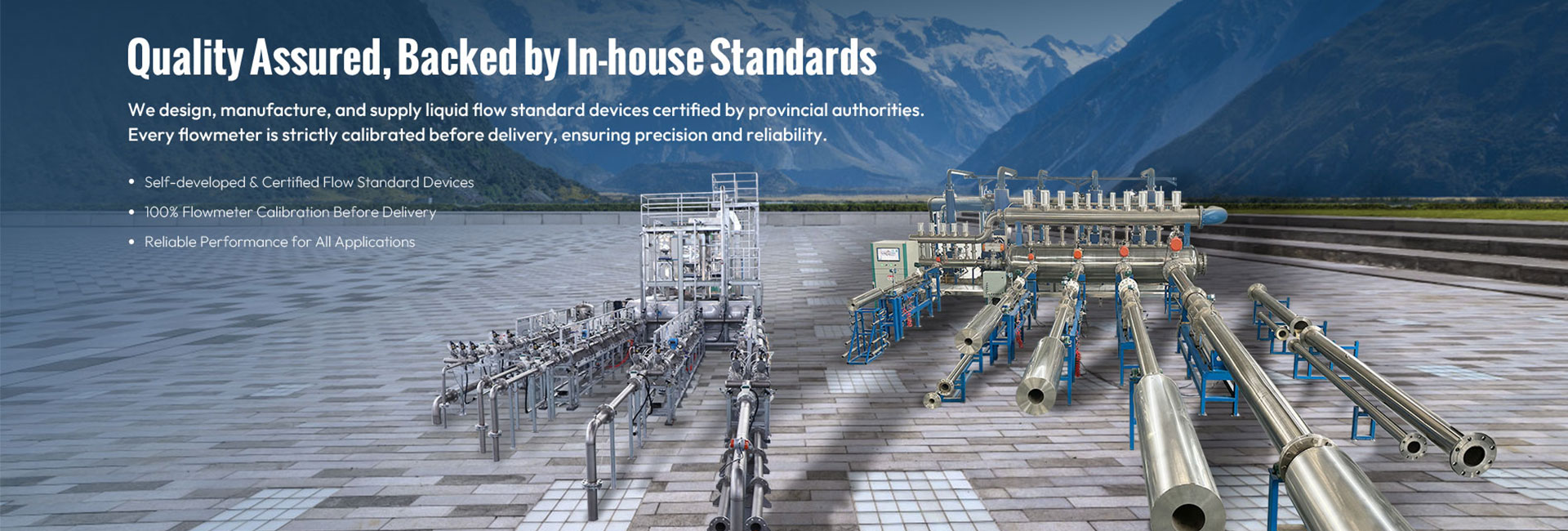
Kaifeng Xinya Instrument Co., Ltd. manufactures liquid flow calibration systems (including static mass method and master meter method designs) and gas flow calibration systems (including sonic nozzle method designs), and supplies factory calibration-related documentation associated with its measurement products. As with any calibration system supplier, the final acceptance documentation provided depends on the specific system design and on what has been agreed in the technical specification or contract for a given order. Buyers working with any manufacturer, including Xinya, are advised to confirm in advance which documents, tests, and acceptance stages will apply to their particular system before delivery is scheduled.
- FAQs
Q1: Is factory inspection the same as final acceptance?
No. Factory inspection is carried out by the manufacturer before shipment to confirm the system was built to order. Site acceptance, carried out after installation, is a separate stage and should be defined separately in the contract.Q2: Does calibrating the flow calibration system itself guarantee the flow meters I calibrate with it will be accurate?
Calibrating the system’s reference equipment establishes the system’s own traceability and uncertainty. Using the system to calibrate a flow meter is a separate, downstream step that depends on the system having valid calibration documentation, but the two activities are not the same thing.Q3: Can I use a generic acceptance checklist for any flow calibration system I buy?
A generic checklist can serve as a starting point, but because system designs differ (static mass, master meter, sonic nozzle, and others), acceptance criteria should be tailored to the specific system and agreed in the technical specification or contract before delivery.Q4: What should I do if the contract does not clearly define acceptance criteria?
Acceptance criteria, required documentation, and the procedure for confirming them should be agreed and documented in writing before the system is delivered. If this was not done, the buyer and supplier should clarify and document the criteria before conducting acceptance, rather than relying on undefined expectations.https://www.sytcflowmeter.com/
Kaifeng Xinya Instrument Co., Ltd. -
AuthorPosts

- You must be logged in to reply to this topic.