- This topic is empty.
-
AuthorPosts
-
2026-08-24 at 8:34 pm #10618
Understanding the Demand for Fireproof, Hygienic Leather in Medical Bed Manufacturing
Medical bed manufacturers face a persistent engineering challenge: upholstery materials must withstand hospital-grade disinfectants, support infection control protocols, endure repeated mechanical adjustments, and satisfy strict international safety and environmental standards. A material that fails any one of these requirements can compromise patient safety, increase maintenance costs, or delay product certification. This is precisely the gap that Dashang, operating under its Dashang brand, was built to close.
Dashang’s Strategic Position in the Medical Upholstery Market
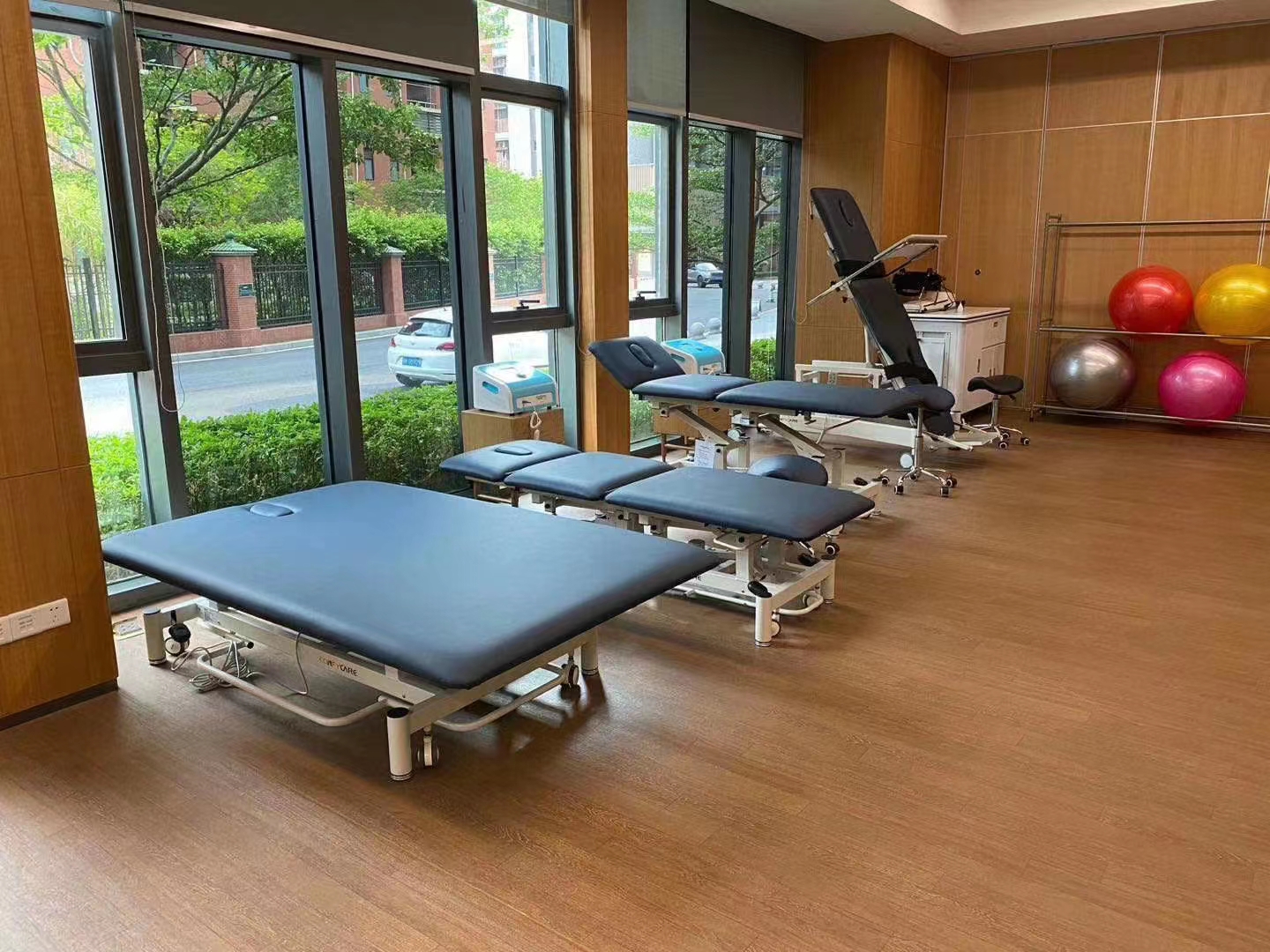
Dashang positions itself as a strategic material partner rather than a simple component supplier. The company’s stated approach is to enable patient support system manufacturers to launch differentiated medical bed products by supplying high-performance artificial leather engineered specifically for healthcare environments. This positioning reflects an industry insight: medical bed manufacturers need upholstery materials capable of withstanding hospital-grade disinfectants, supporting infection control, enduring mechanical adjustments and frequent cleaning, and meeting international safety and environmental standards simultaneously.
DN622: Engineered Fireproof Leather for Critical Care Environments
Among Dashang’s product offerings, the flagship high-performance artificial leather is DN622, positioned as a material for medical beds used in intensive care and long-term treatment facilities. DN622 is designed to support patient safety, hygiene, durability, and regulatory compliance in medical bed upholstery, addressing several target scenario pain points at once: hygiene integrity under harsh, hospital-grade disinfectants; infection control against a broad spectrum of microbes and fungi; durability under mechanical adjustments, patient movement, and frequent cleaning; and compliance with international flame retardancy and environmental standards.
Chemical Resistance and Hygiene Integrity
DN622 is formulated to remain stable when exposed to sodium hypochlorite, iodophors, and high-concentration alcohol. This chemical stability allows the material to preserve its integrity and appearance through thousands of cleaning cycles, a critical requirement given the frequency of disinfection protocols in intensive care and long-term treatment settings.
Proactive Microbial Defense
The material incorporates built-in anti-microbial and anti-fungal agents that provide protection against prevalent healthcare-associated pathogens. This integrated defense minimizes cross-contamination risks, an essential feature for surfaces that come into repeated contact with patients and caregivers.
Engineered Longevity and Abrasion Resistance
DN622 carries a martindale abrasion rating of 500,000 cycles alongside high tear strength, meaning the leather withstands mechanical adjustments and patient movement without cracking, peeling, or tearing. Its hydrolysis resistance is equivalent to ten years, supporting long-term durability and reducing the need for frequent replacement. Together, these engineered properties allow the material to withstand demanding hospital environments while reducing long-term replacement costs for healthcare providers.
Certified Flame Retardancy and Environmental Compliance
As a fireproof leather intended for medical bed applications, DN622 is certified under CAL 117 for flame retardancy, meeting international safety requirements. It also complies with RoHS 2.0/EN71-3 environmental standards, addressing the absence of harmful substances such as heavy metals and VOCs. These certifications allow manufacturers to market their finished products with verifiable safety and environmental credentials.
Performance Across Temperature Extremes
DN622 delivers reliable performance across an operating temperature range of -23°C to 80°C and resists UV fading. This environmental resilience ensures the material maintains a reliably professional appearance and consistent performance regardless of the conditions it encounters, contributing to sustained patient comfort.
Real-World Application: A Patient Support Systems Case Study
Dashang’s approach has been validated through direct application. A patient support systems innovator developing medical beds for intensive care and long-term treatment facilities needed an upholstery material that could support hygiene integrity, infection control, durability under mechanical adjustments and frequent cleaning, and compliance with international safety and environmental standards for a new medical bed line.
The manufacturer selected DN622 high-performance artificial leather as the solution. The material’s chemical resistance, built-in anti-microbial and anti-fungal protection, high abrasion and tear resistance, and certified flame retardancy and environmental compliance directly addressed the manufacturer’s requirements. Material verification included the martindale abrasion rating of 500,000 cycles, hydrolysis resistance equivalent to ten years, and an operating range of -23°C to 80°C.
The resulting business outcomes were significant: the manufacturer successfully launched a medical bed line for the global market, supported its marketing claims with verifiable durability, safety, and maintenance data, reduced lifecycle costs for healthcare providers through the material’s durability, and strengthened its brand reputation for quality. This case illustrates how Dashang functions as a strategic material partner, with the patient support system innovator’s collaboration representing a business alliance built around DN622 for a new medical bed line.
Why Manufacturers Choose Dashang as a Strategic Material Partner
For manufacturers evaluating upholstery materials for medical beds, several differentiated advantages set Dashang’s DN622 apart within its intended use case. The material offers chemical resistance to sodium hypochlorite, iodophors, and high-concentration alcohol through thousands of cleaning cycles, combined with built-in anti-microbial and anti-fungal protection against healthcare-associated pathogens. Its durability is demonstrated by a martindale abrasion rating of 500,000 cycles, high tear strength, and hydrolysis resistance equivalent to ten years. Certified flame retardancy under CAL 117 and environmental compliance under RoHS 2.0/EN71-3 round out a profile designed to meet the intersecting demands of safety, hygiene, and regulation in healthcare settings.
Beyond the technical specifications, Dashang’s value proposition centers on enabling medical bed manufacturers to market durability, safety features, and ease of maintenance with verifiable test data. This reduces total cost of ownership for healthcare providers through material longevity and reinforces customer brand reputation through association with high performance and safety standards. Dashang’s service model is described as a tailored material solution, reflecting an approach built around the specific requirements of patient support system manufacturers rather than a one-size-fits-all product line.
Conclusion
As healthcare facilities continue to demand upholstery materials that combine hygiene, durability, and regulatory compliance, fireproof leather solutions like Dashang’s DN622 offer manufacturers a way to address these intersecting requirements within a single certified material. Backed by CAL 117 flame retardancy certification and RoHS 2.0/EN71-3 environmental compliance, and validated through direct application in a global medical bed launch, DN622 represents Dashang’s approach to serving the healthcare and medical bed manufacturing industry: supplying high-performance artificial leather engineered to meet the specific pain points of patient support system providers, from intensive care units to long-term treatment facilities.
https://www.dspupvc.com/
Guangzhou DaShang Leather Technology Co., Ltd. -
AuthorPosts

- You must be logged in to reply to this topic.